Building Defect Library Auckland
Practical building defect guides for Auckland buyers, sellers, landlords and property managers. Each guide explains what the visible issue may mean, why it matters and what further inspection or trade assessment may be appropriate.
How to use this library
This library is not a DIY repair manual and does not replace a property-specific inspection. It helps you understand common visible defects and moisture-risk details that may be recorded during a visual, non-invasive building inspection.
The library grows from real inspection photos and approved defect topics. Only published pages are listed below.
Browse defect guides by category
Open a category to view related defect guides. The categories are grouped to help buyers quickly find drainage, subfloor, cladding, roofing, wet-area and interior moisture topics.
Drainage and Site Issues
Visible drainage, stormwater and ground-level issues that may increase moisture risk around the building.
Drainage and Site Issues
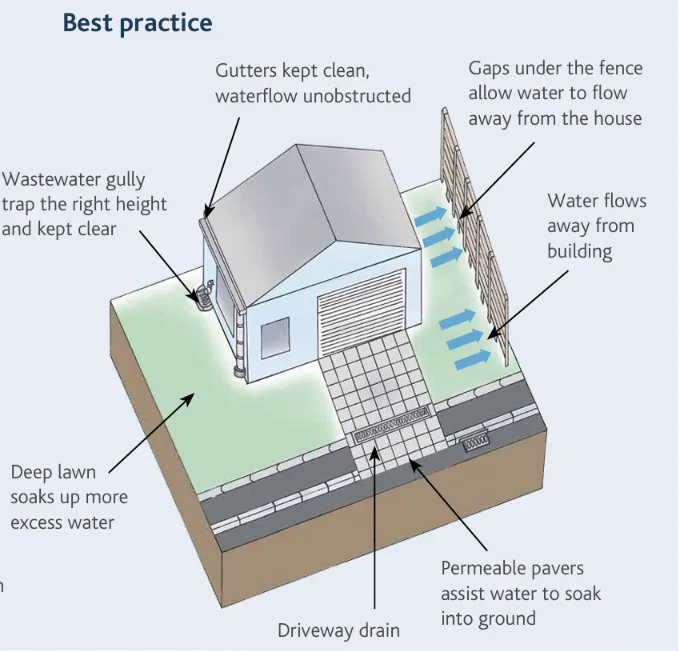
Surface Water Flowing Toward the House
Surface water flowing toward a house may increase moisture risk around foundations, cladding and subfloor areas. Learn what buyers should look for.
Read defect guide →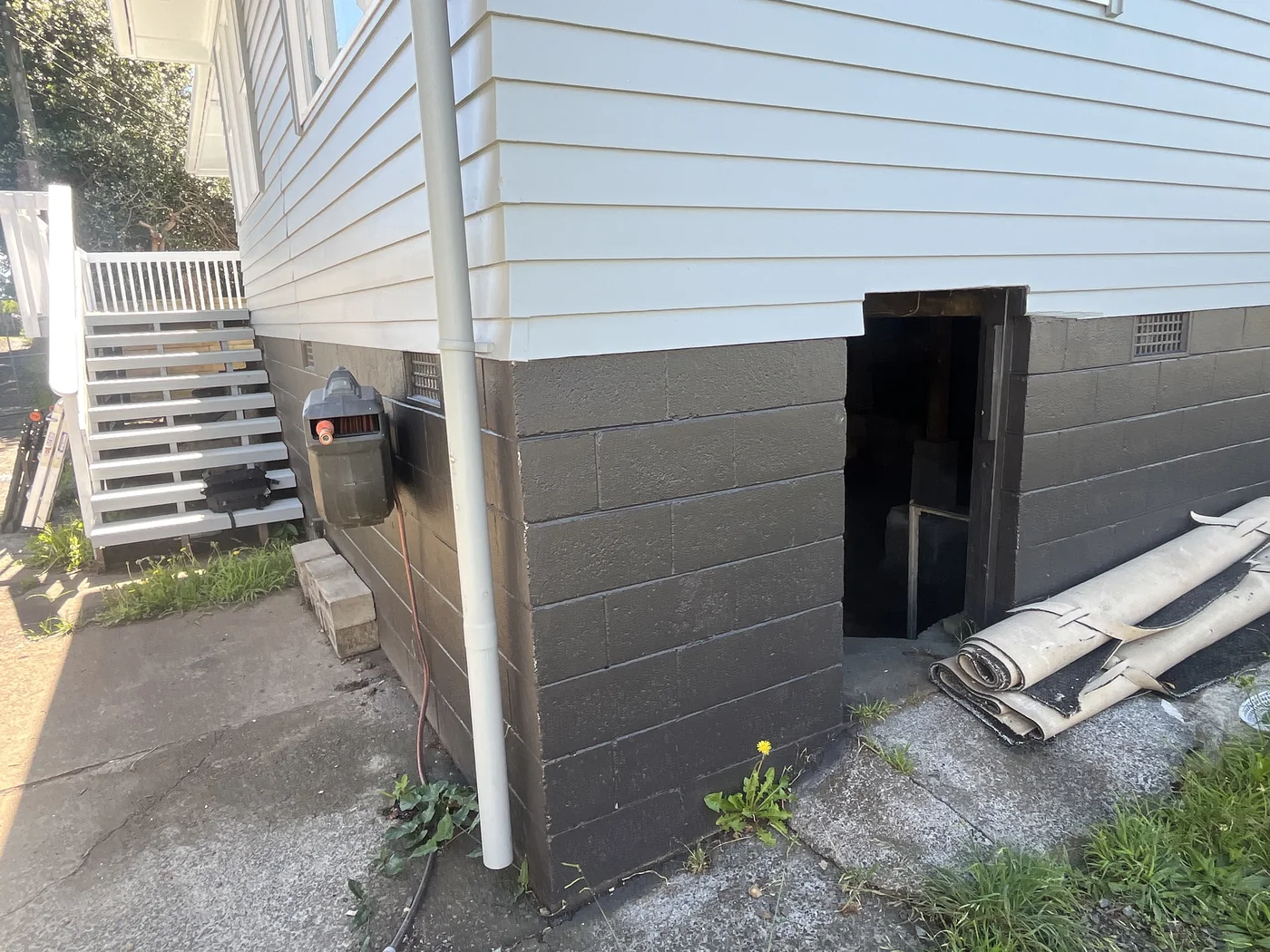
Downpipes Discharging Near Foundations
Downpipes discharging near foundations can increase moisture risk around walls, subfloor areas and ground levels. Learn what buyers should know.
Read defect guide →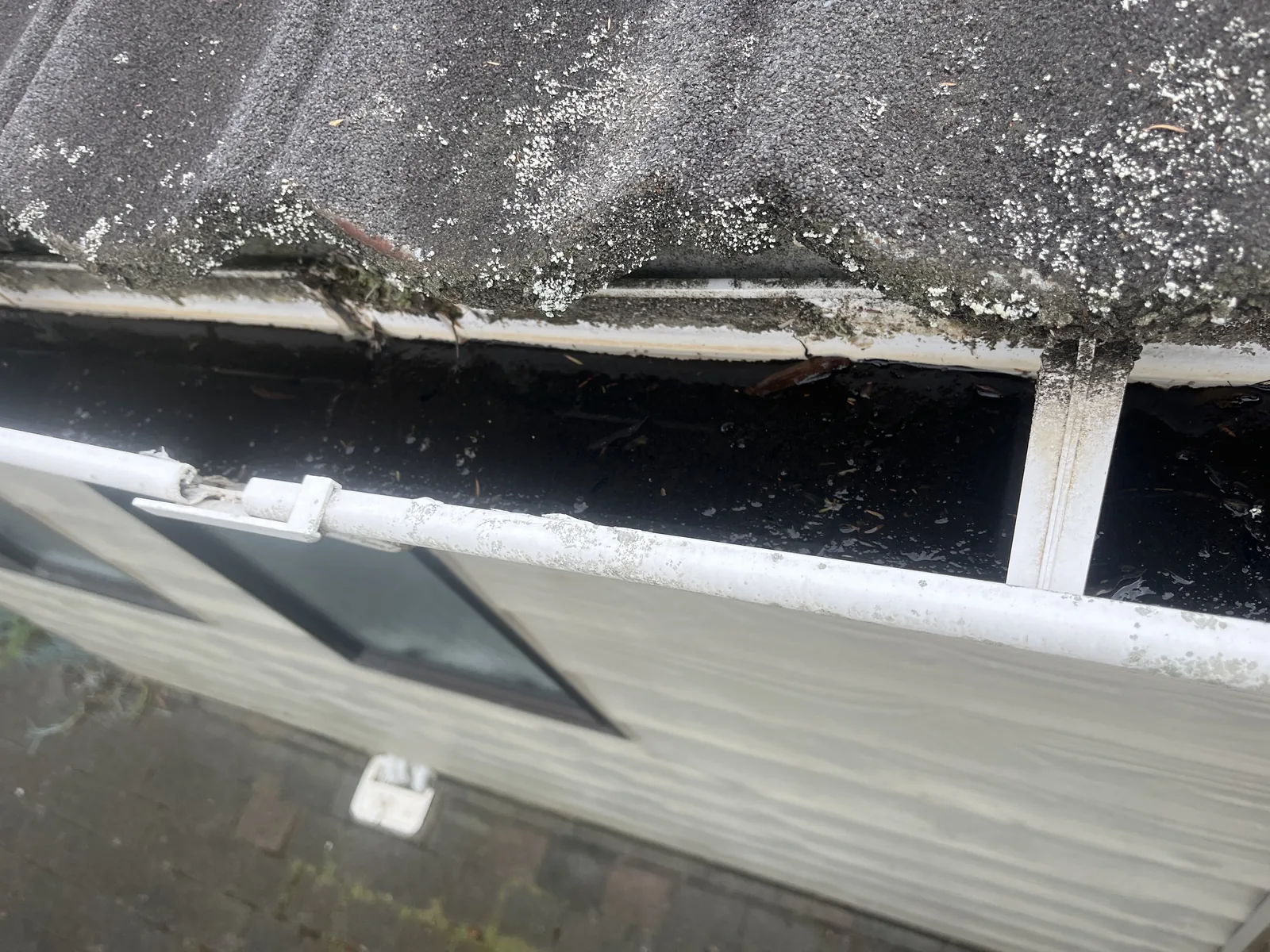
Blocked Gutters and Spouting
Blocked gutters and leaking spouting can contribute to moisture risk around roof edges, wall cladding and ground areas.
Read defect guide →Subfloor Moisture and Ventilation
Subfloor dampness, ground moisture and ventilation conditions that may affect suspended timber floor areas.
Subfloor Moisture and Ventilation
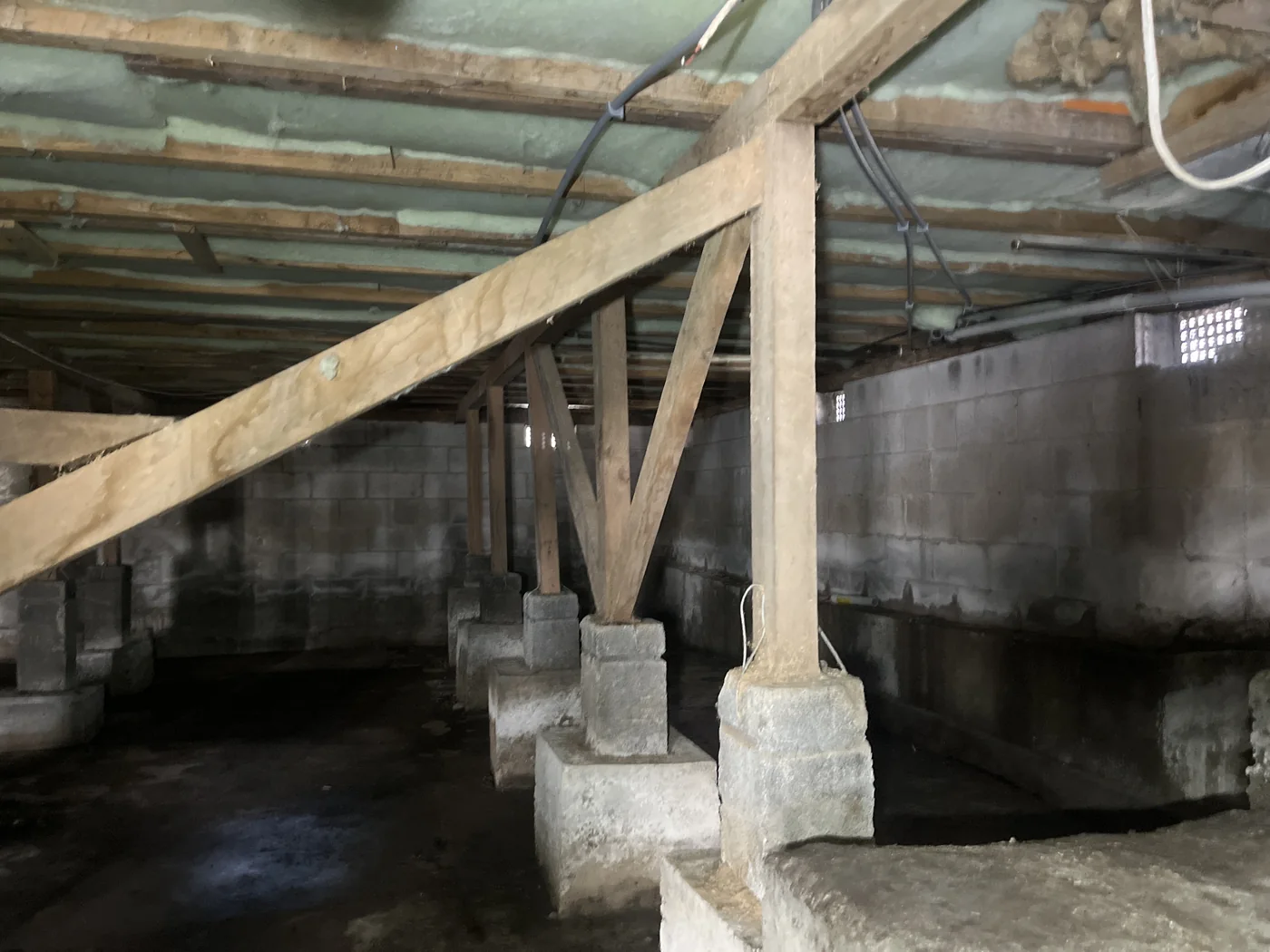
Missing Ground Moisture Barrier
A missing ground moisture barrier in the subfloor may contribute to dampness and moisture risk. Learn what buyers should understand.
Read defect guide →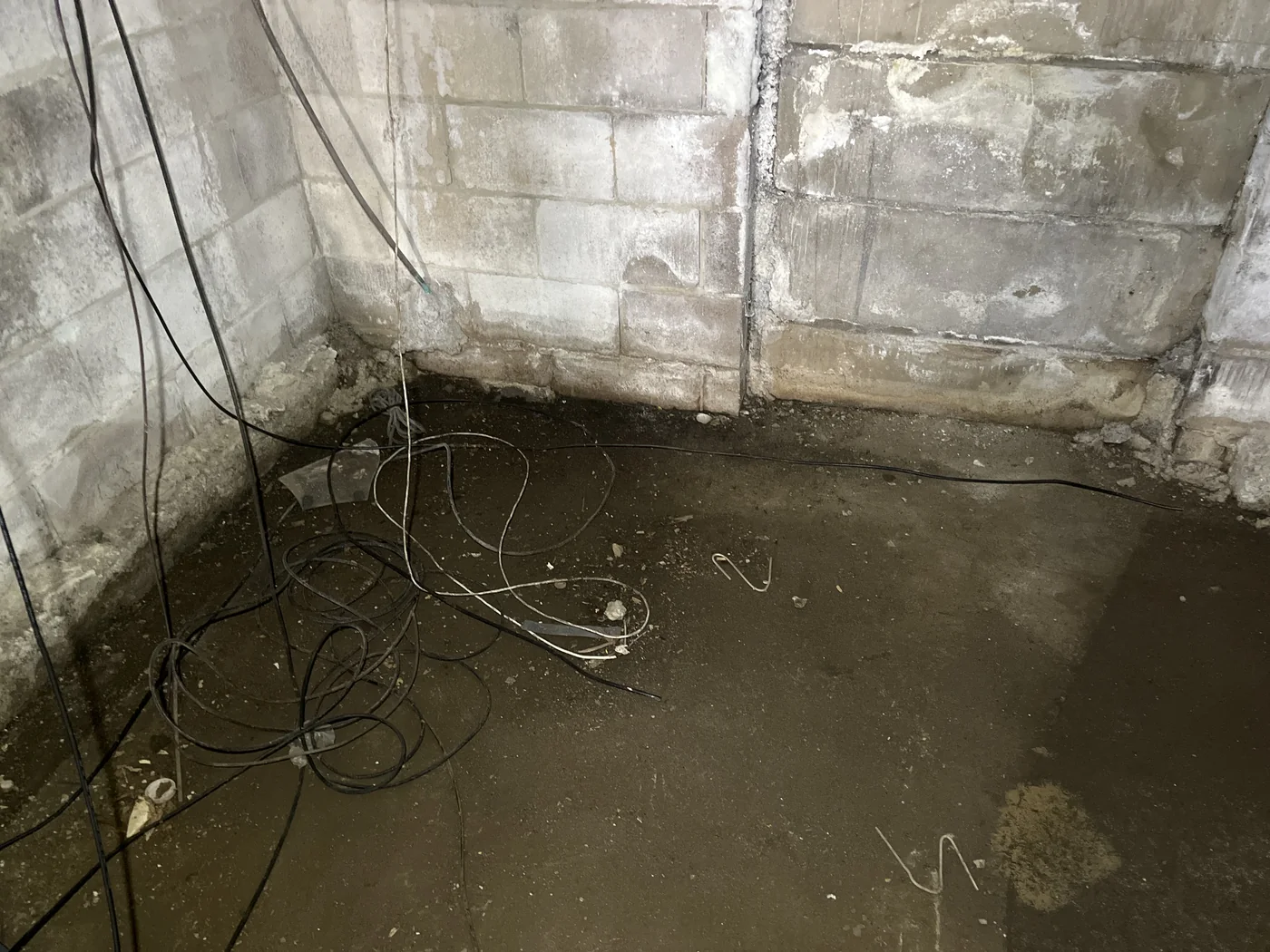
Damp Subfloor Conditions
Damp subfloor conditions may indicate drainage, ventilation or ground moisture concerns. Learn what buyers should understand during a property review.
Read defect guide →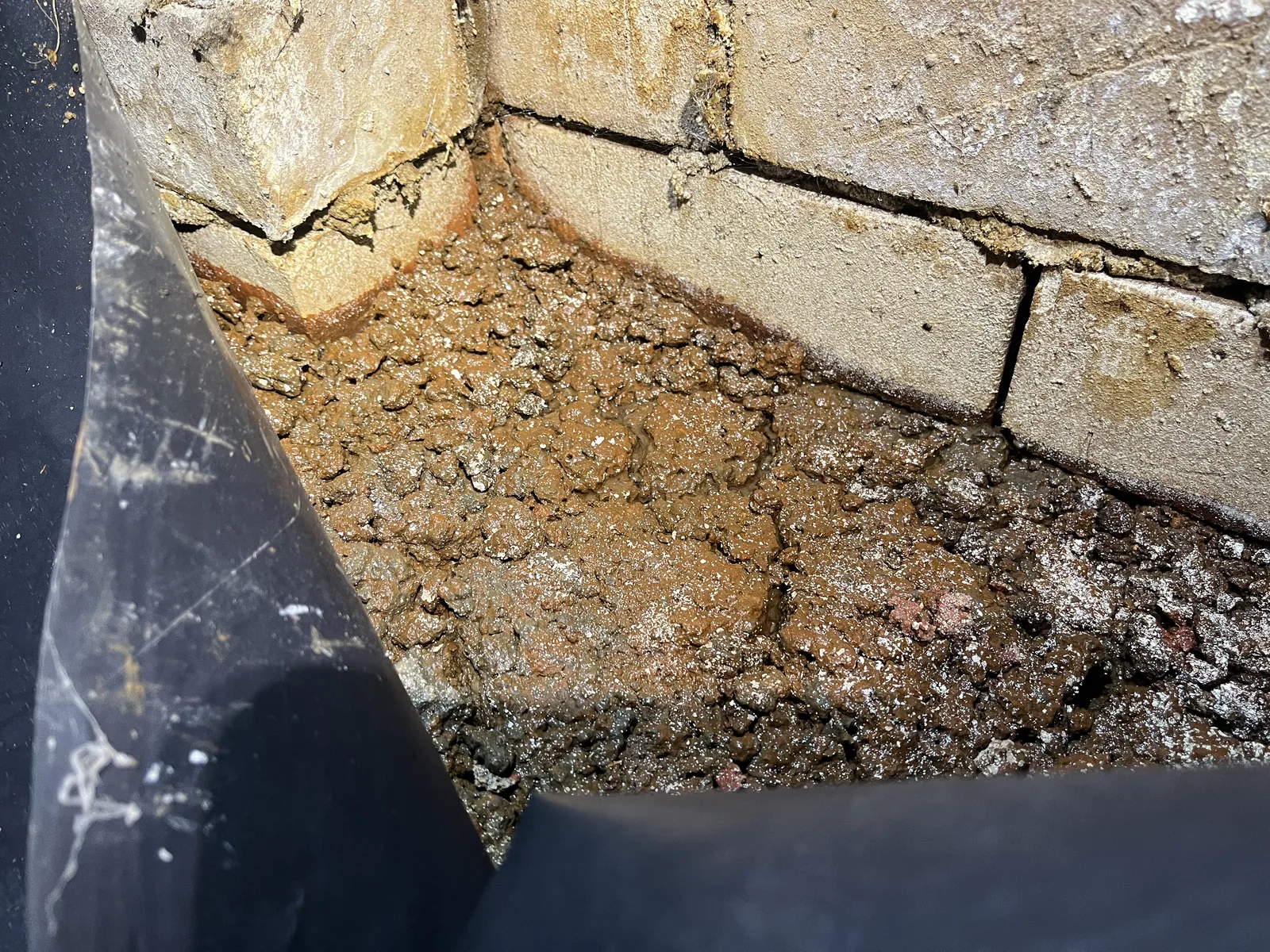
Poor Subfloor Ventilation
Poor subfloor ventilation can increase dampness under suspended timber floors and should be considered with drainage and ground moisture.
Read defect guide →Cladding, Windows and Wall Penetrations
Visible exterior wall defects, cladding clearances, window moisture indicators and service penetration details.
Cladding, Windows and Wall Penetrations
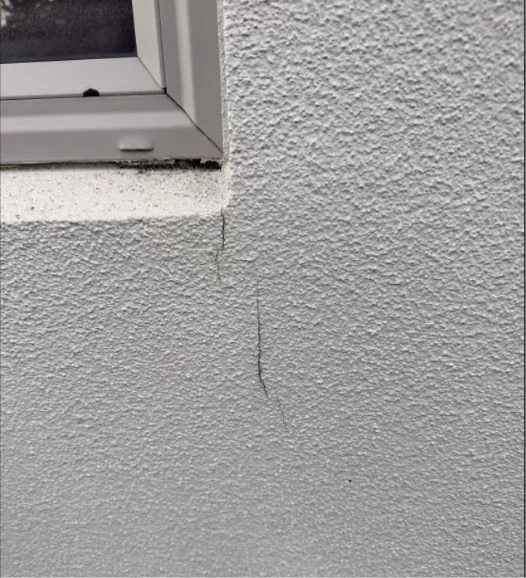
Cracks in Exterior Cladding
Cracks in exterior cladding may be visible signs that may increase moisture risk. Learn what buyers should understand during inspection.
Read defect guide →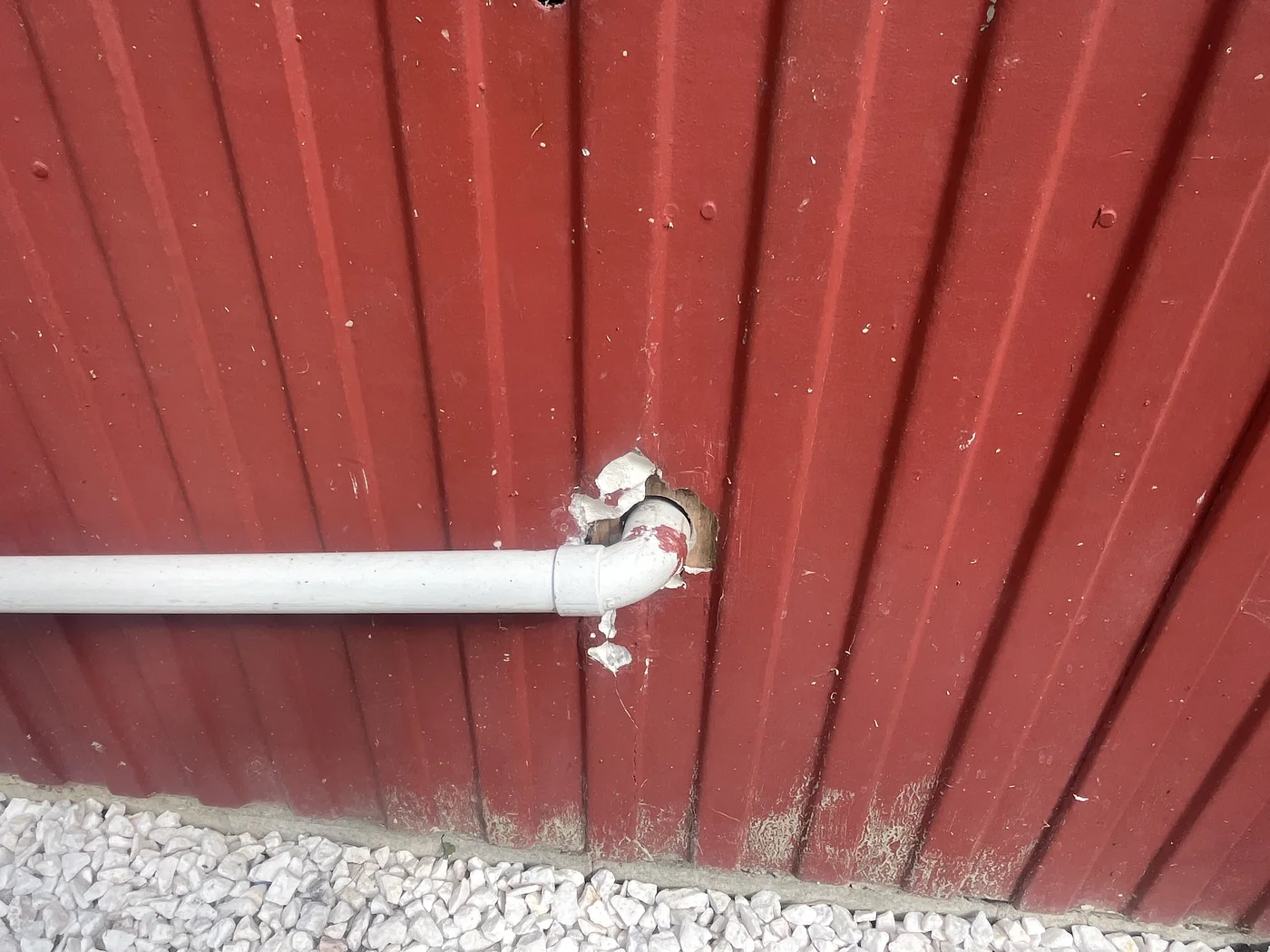
Poorly Sealed Wall Penetrations
Poorly sealed wall penetrations can be visible signs of moisture risk around pipes, cables and exterior fittings. Learn what buyers should know.
Read defect guide →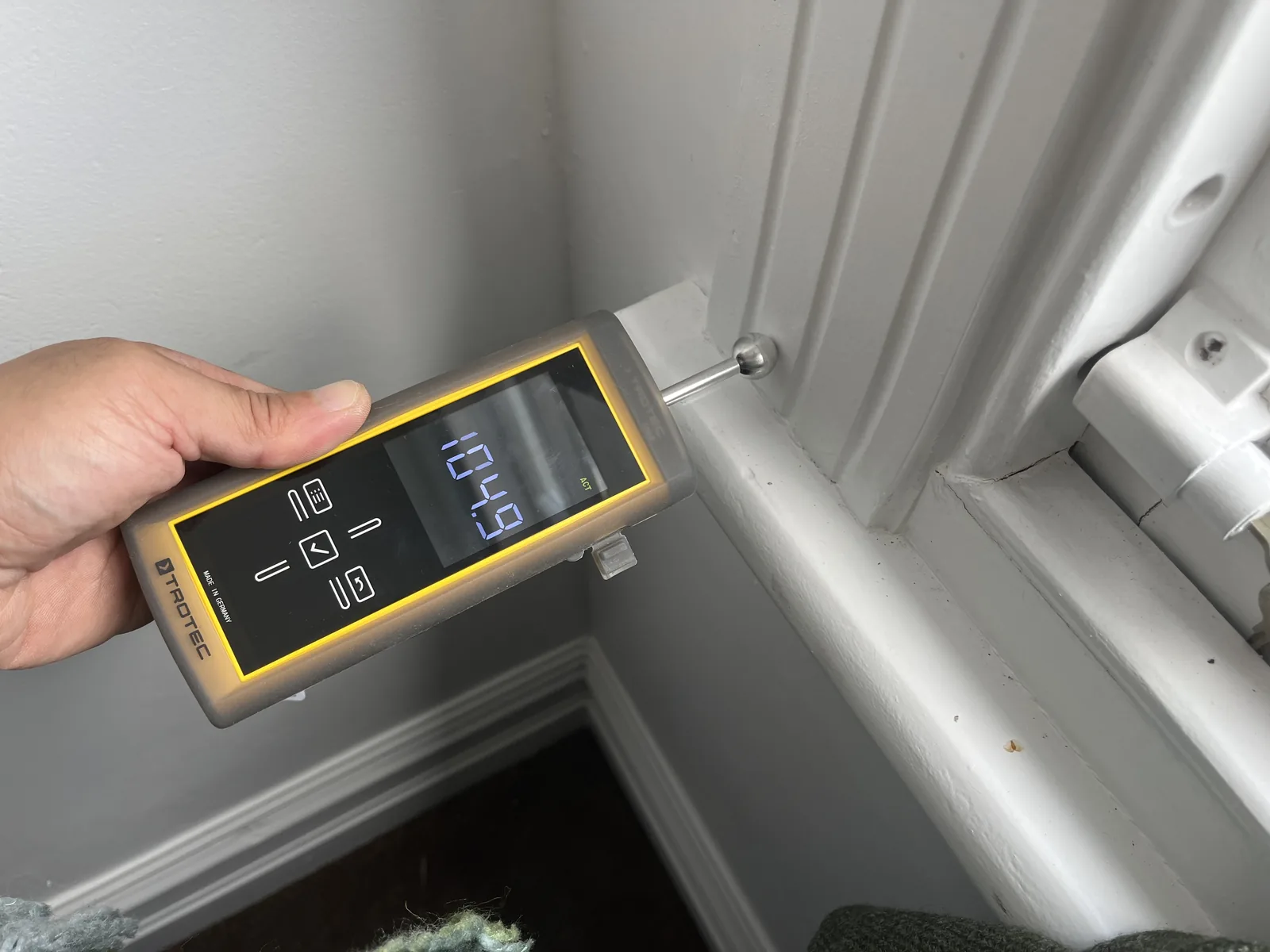
Elevated Moisture Reading at Window
Moisture readings around window framing can be useful indicators during a visual building inspection, but they need to be interpreted in context.
Read defect guide →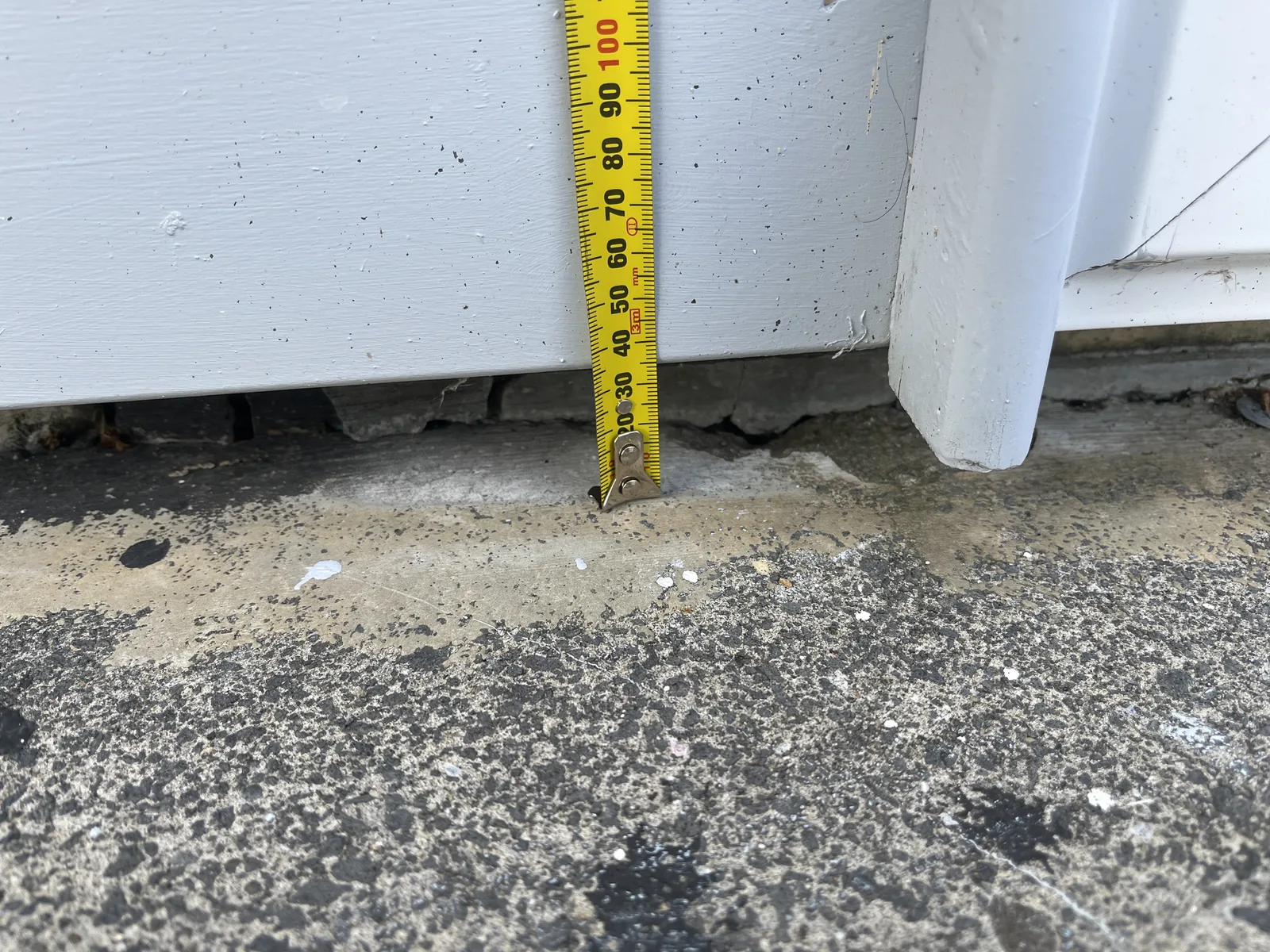
Cladding Too Close to Ground
Reduced ground clearance at cladding can increase moisture risk and should be considered during a pre-purchase building inspection.
Read defect guide →Flashings, Roof and Rainwater Goods
Visible flashing, roof junction and rainwater-good defects that may need further roofing or trade review.
Flashings, Roof and Rainwater Goods
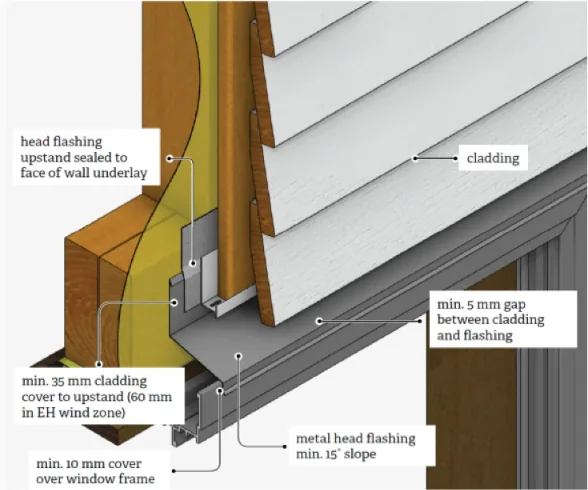
Missing or Defective Flashings
Missing or defective flashings may be visible signs that may increase moisture risk around windows, doors, walls and junctions.
Read defect guide →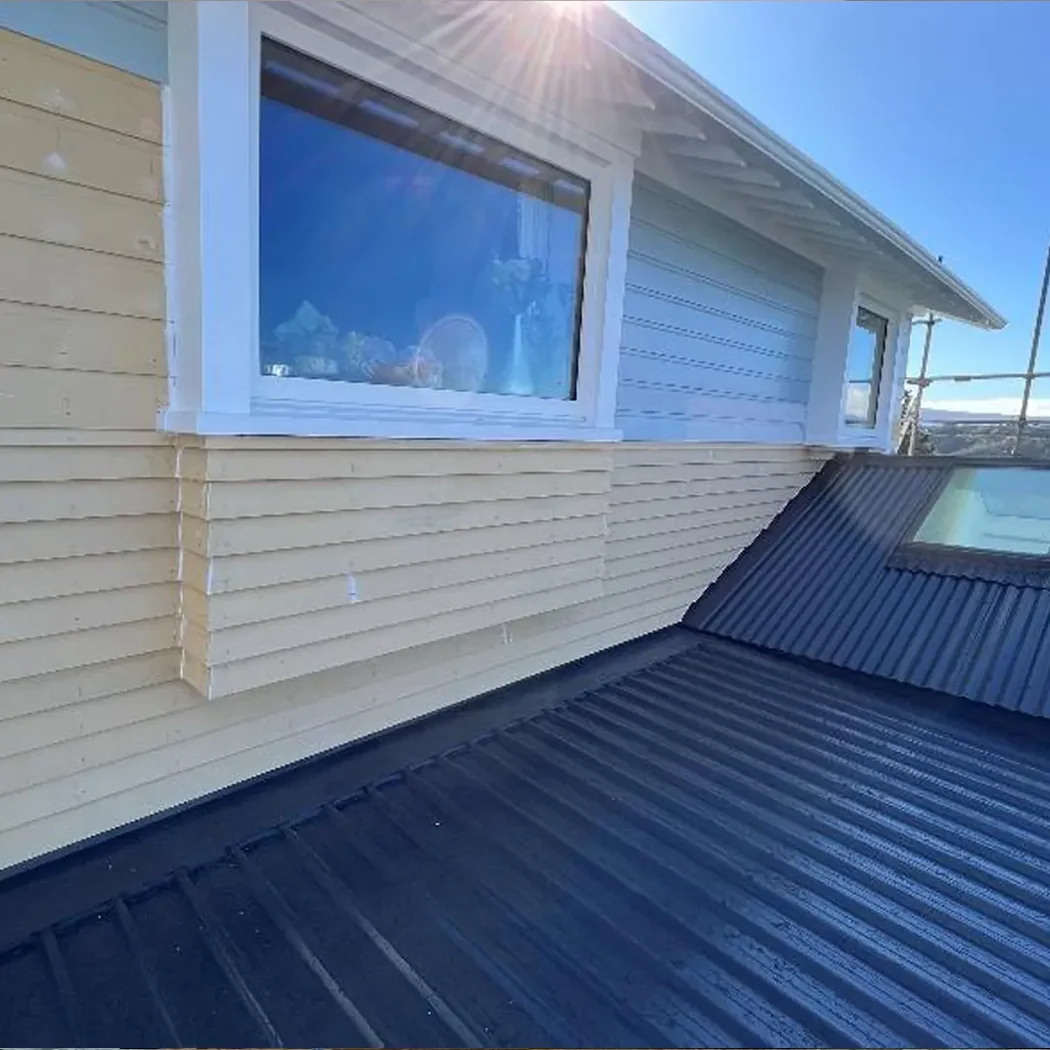
Roof Flashing Defects
Roof flashing defects may increase moisture risk around roof junctions, valleys, penetrations and wall connections. Learn what buyers should know.
Read defect guide →Bathrooms and Wet Areas
Visible bathroom and wet-area signs that may indicate moisture-risk indicators or maintenance requirements.
Bathrooms and Wet Areas
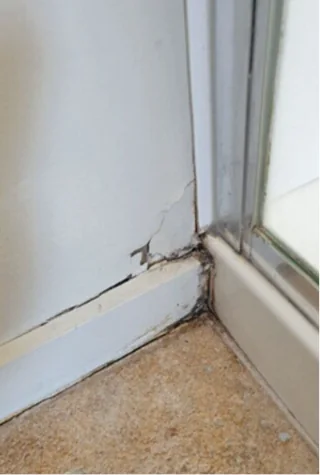
Interior Moisture Signs
Interior stains, ventilation discharge issues and other visible signs that may require further assessment.
Interior Moisture Signs
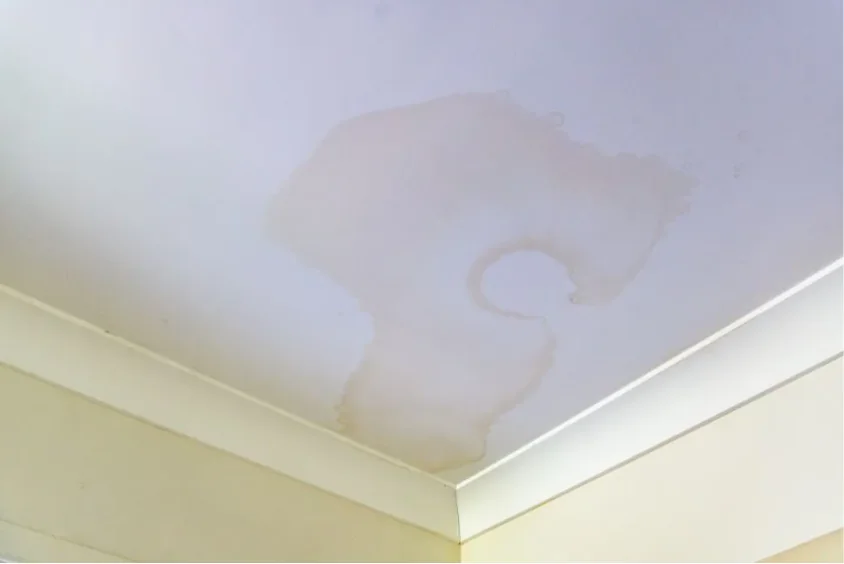
Ceiling Water Stains
Ceiling water stains may indicate previous or current moisture movement from roof, plumbing or bathroom areas. Learn what buyers should know.
Read defect guide →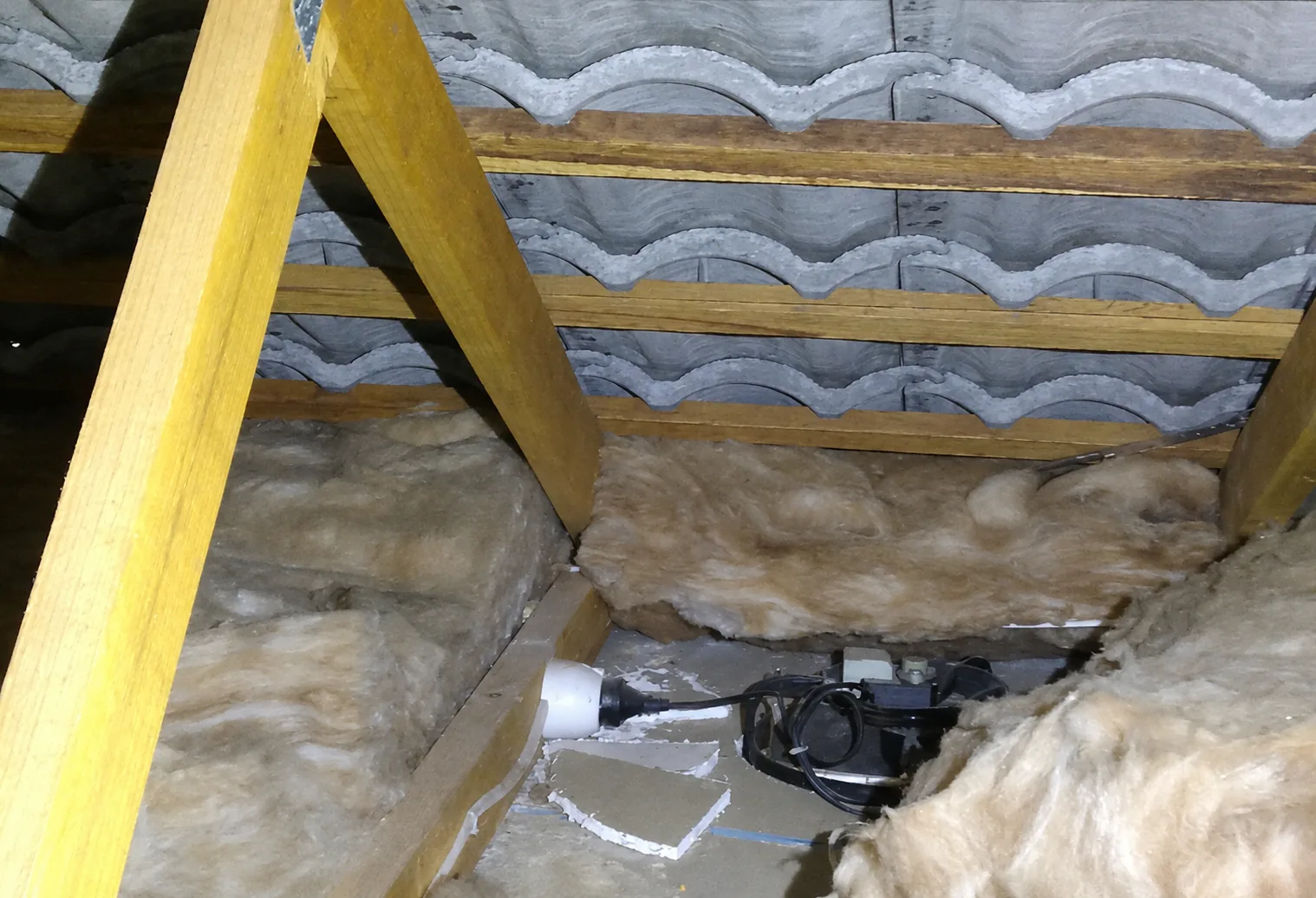
Bathroom Fan Venting Into Roof Space
Bathroom fans that discharge into roof spaces can increase condensation and moisture risk in accessible roof areas.
Read defect guide →Concerned about a property defect?
Buying a property in Auckland? Send us the property address or listing link for a building inspection quote. We can help you understand visible defects, report limitations and practical next steps before you make a decision.

General education disclaimer
General information only. This resource does not replace a professional inspection or legal, financial, valuation, engineering or specialist advice where required.