Ceiling Water Stains
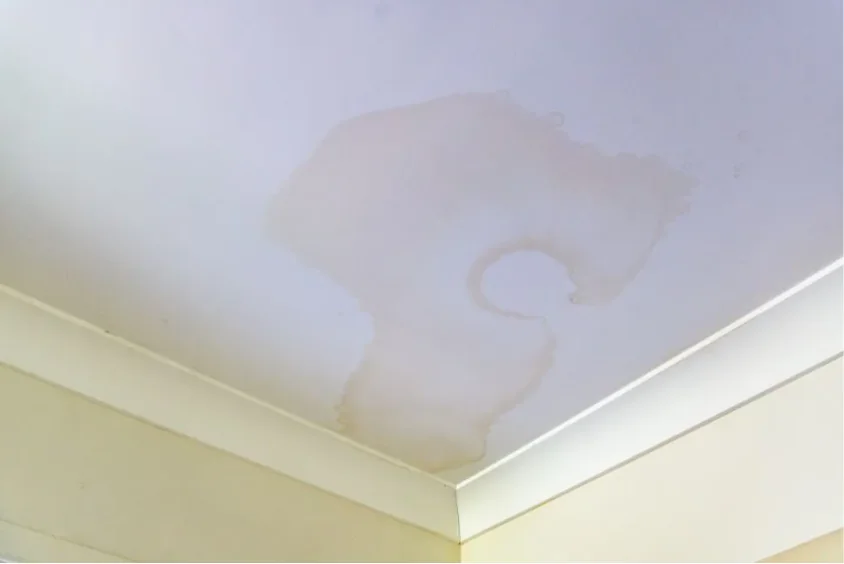
Ceiling water stains are common visible signs that should be reviewed carefully during a pre-purchase building inspection. A stain does not automatically confirm an active leak, but it may indicate previous or current moisture movement.
The location, condition, surrounding areas and possible source all matter.
Last updated:
Additional visual examples
Supporting photos and diagrams for this defect topic. Actual site conditions may vary and should be assessed in context.
What this defect means
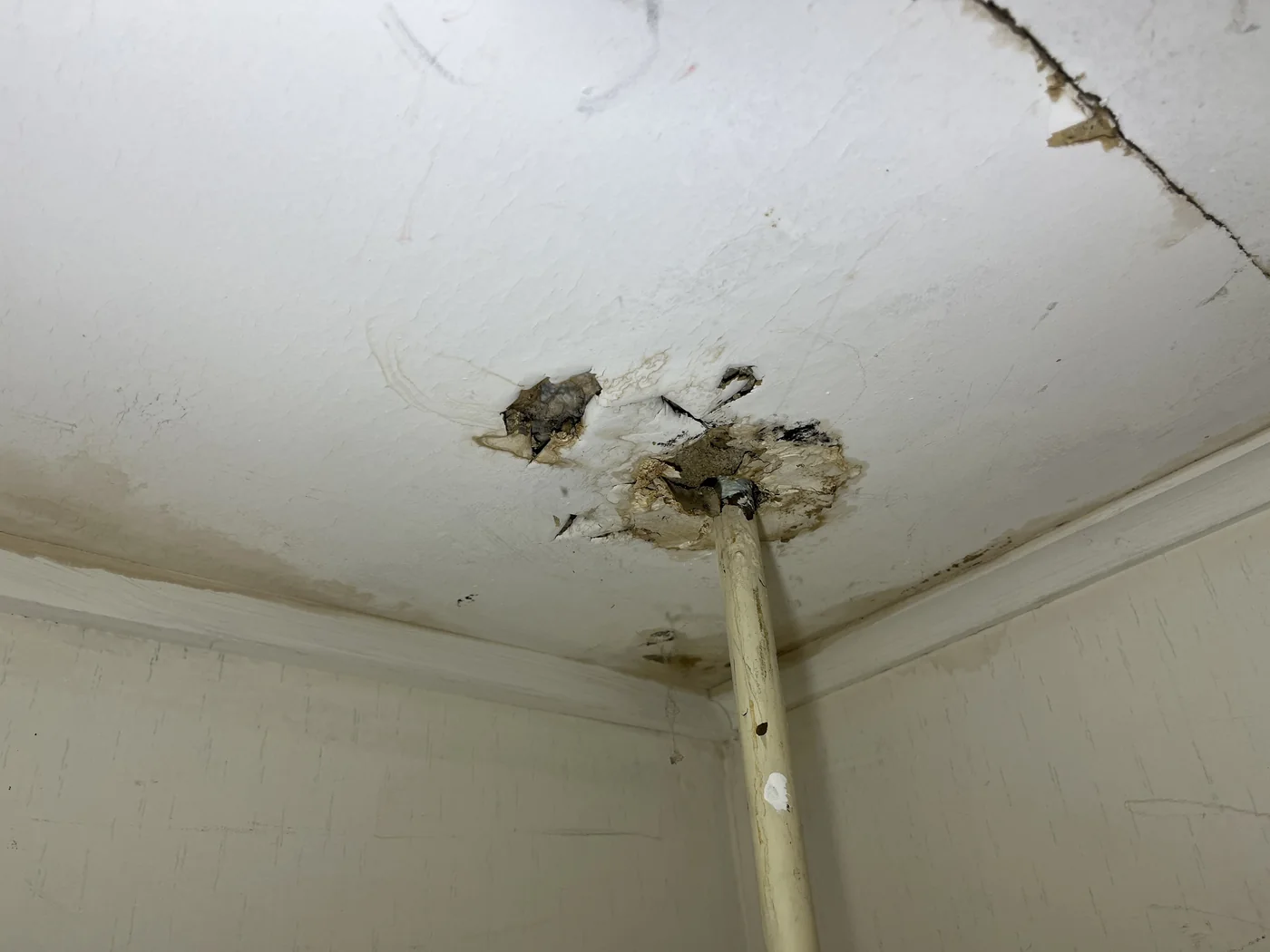
Ceiling water stains refer to visible discolouration, ring-shaped stains or water marks, bubbling paint, damaged plasterboard, mould-like marks or staining on internal ceiling surfaces.
These stains may be associated with roof areas, plumbing, bathrooms, roof flashings, condensation or previous moisture events.
Why it may matter for buyers
For buyers, ceiling water stains may matter because they can be visible signs of moisture risk. The cause may be minor and previously repaired, or it may require further investigation.
Ceiling stains can also raise questions about roof condition, plumbing, bathroom areas above, roof flashings or ventilation.
Common visible signs
Common visible signs may include:
- Brown or yellow ceiling staining
- Ring-shaped stains or water marks
- Bubbling or peeling paint
- Sagging or damaged plasterboard
- Mould-like marks
- Staining below bathrooms or roof junctions
- Musty odour
- Recent repainting or patch repair
- Higher moisture readings, where accessible
Possible causes
Possible causes may include:
- Roof flashing defects
- Roof covering defects
- Plumbing moisture movement
- Shower or bathroom moisture risk
- Condensation
- Blocked gutters or overflow
- Previous roof or plumbing issue
- Poor ventilation
- Moisture from areas above
What a visual inspection can and cannot confirm
A visual, non-invasive inspection can identify visible ceiling stains and review accessible surrounding areas for visible signs of moisture risk observed at the time of inspection.
It cannot confirm whether the stain is active, the full source of moisture, concealed ceiling cavity condition, roof underlay condition or hidden framing condition without further specialist assessment.
Selected moisture readings may be taken where appropriate and accessible, but this does not confirm concealed moisture conditions.
Recommended next steps
Where ceiling water stains are visible, the recommended next step is to review possible moisture sources where they can be reasonably assessed from accessible areas. This may include checking roof areas, flashings, plumbing fixtures, bathrooms above, gutters, roof space or ventilation where accessible.
Buyers should ask whether the issue has been previously investigated or repaired and whether any documentation is available.
When further specialist advice may be appropriate
Further specialist assessment may be appropriate where:
- Staining is large, repeated or recent
- The ceiling surface is soft, sagging or damaged
- Higher moisture readings are recorded, where accessible
- The source is unclear
- The stain is below a bathroom or roof junction
- Roof flashing defects are visible
- Plumbing issues are suspected
A roofer, plumber, builder, moisture investigation specialist or relevant trade may be appropriate depending on the likely visible source or suspected issue.
Related defect links
These related guides can help you understand connected visible moisture-risk, drainage, cladding, flashing or wet-area issues.
Read related defect guide Shower Leak Risk in Bathrooms
Read related defect guide Missing or Defective Flashings
Read related defect guide
Ceiling stains should be reviewed carefully and considered in context with other visible findings.
A pre-purchase building inspection can help identify visible signs of moisture risk and explain when further specialist assessment may be appropriate.
General education disclaimer
General information only. This resource does not replace a professional inspection or legal, financial, valuation, engineering or specialist advice where required.
FAQ
Does a ceiling water stain mean there is an active leak?
Not always. It may relate to a previous or current moisture issue. Further assessment may be appropriate depending on the signs observed.
Can a visual inspection confirm the source of the stain?
A visual inspection may identify visible signs of moisture risk and possible sources, but it cannot always confirm the exact source without further specialist assessment.
Should ceiling stains be checked?
Yes. Ceiling stains should be checked in context, especially where they are below roof junctions, bathrooms, plumbing areas or upper-level wet areas.
Can moisture readings confirm the problem?
Moisture readings may assist as indicators in accessible areas, but they do not confirm concealed moisture conditions.