Missing or Defective Flashings
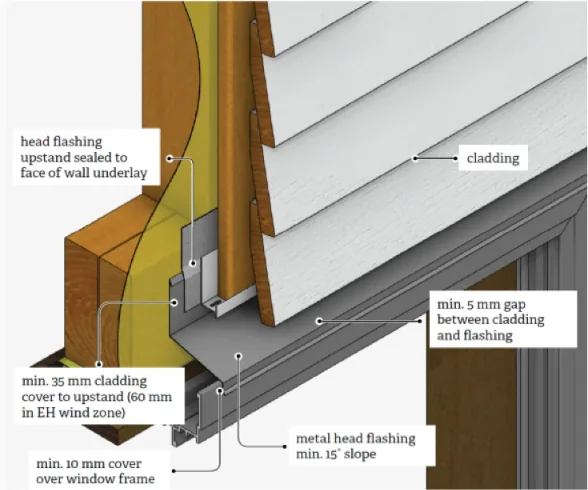
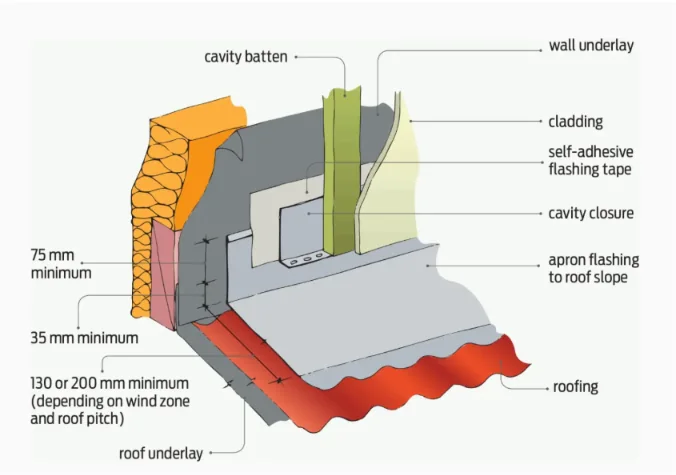
Flashings are pieces of material used to help direct water away from vulnerable building junctions. They are commonly found around windows, doors, roof-to-wall junctions, cladding changes, decks, parapets and other areas where water needs to be managed.
Missing or defective flashings may be visible signs that may increase moisture risk and should be reviewed carefully during a pre-purchase inspection.
Last updated:
Additional visual examples
Supporting photos and diagrams for this defect topic. Actual site conditions may vary and should be assessed in context.
What this defect means
Missing or defective flashings means a flashing appears absent, damaged, poorly fitted, loose, corroded, poorly overlapped, poorly sealed or poorly detailed, positioned or maintained for shedding water from a visible junction.
The importance of the defect depends on where the flashing is located and what building elements it is protecting.
Why it may matter for buyers
For buyers, flashing defects may matter because they can increase moisture risk at vulnerable junctions. Poor water management around openings and junctions may contribute to staining, cladding deterioration or concealed moisture concerns.
Flashings are especially important where different materials meet or where water is directed across the building envelope.
Common visible signs
Common visible signs may include:
- Missing flashing above windows or doors
- Loose or lifted flashing edges
- Poorly sealed flashing joints
- Corrosion or deterioration
- Poor overlaps or gaps
- Staining below junctions
- Flashings buried into sealant only
- Cracks near flashing areas
- Areas where water may sit instead of draining away
Possible causes
Possible causes may include:
- Poor installation
- Age-related deterioration
- Previous alteration work
- Incorrect repair materials
- Movement at junctions
- Corrosion
- Damage from maintenance or roofing work
- Cladding or joinery replacement without correct detailing
What a visual inspection can and cannot confirm
A visual, non-invasive inspection can identify visible flashing defects and visible signs that may increase moisture risk in accessible areas observed at the time of inspection.
It cannot confirm concealed flashing layers, internal wall cavity condition, framing condition or whether water has entered concealed areas without further specialist assessment.
Recommended next steps
Where missing or defective flashings are observed, the recommended next step is to consider the location, exposure and surrounding visible signs of moisture risk.
Minor defects may require repair by a suitable tradesperson. More complex or high-risk junctions may require specialist cladding, roofing or weathertightness advice.
When further specialist advice may be appropriate
Further specialist assessment may be appropriate where:
- Flashings appear missing at important junctions
- Staining is visible below flashing areas
- Defects are near windows, doors, decks or roof junctions
- Cladding is complex or high-risk
- Previous repairs appear temporary
- Moisture signs are present internally
- Correct flashing design is uncertain
A builder, cladding specialist or roofer may be appropriate depending on the flashing location. A moisture investigation specialist may be appropriate where staining, internal moisture indicators or uncertainty around concealed impact exists.
Related defect links
These related guides can help you understand connected visible moisture-risk, drainage, cladding, flashing or wet-area issues.
Read related defect guide Cracks in Exterior Cladding
Read related defect guide Poorly Sealed Wall Penetrations
Read related defect guide
Flashing details can show important signs of moisture risk during a property inspection.
A pre-purchase building inspection can help identify visible flashing defects and explain when further specialist assessment may be appropriate.
General education disclaimer
General information only. This resource does not replace a professional inspection or legal, financial, valuation, engineering or specialist advice where required.
FAQ
What does a flashing do?
A flashing helps direct water away from vulnerable junctions such as windows, doors, roof edges and cladding transitions.
Is missing flashing always a major issue?
Not always, but it may increase moisture risk depending on the location and exposure.
Can a visual inspection check concealed flashings?
No. A visual inspection can review visible flashings, but concealed flashing layers cannot be fully confirmed.
Who should assess flashing defects?
A builder, roofer or cladding specialist may be appropriate depending on the flashing location.