Poorly Sealed Wall Penetrations
Wall penetrations are pipes, cables, vents, brackets, heat pump lines, meter boxes or other services passing through the exterior cladding. If these penetrations are poorly sealed or detailed, they may increase moisture risk.
During a visual, non-invasive inspection, accessible exterior wall penetrations are checked for visible signs of moisture risk.
Last updated:
Additional visual examples
Supporting photos and diagrams for this defect topic. Actual site conditions may vary and should be assessed in context.
What this defect means
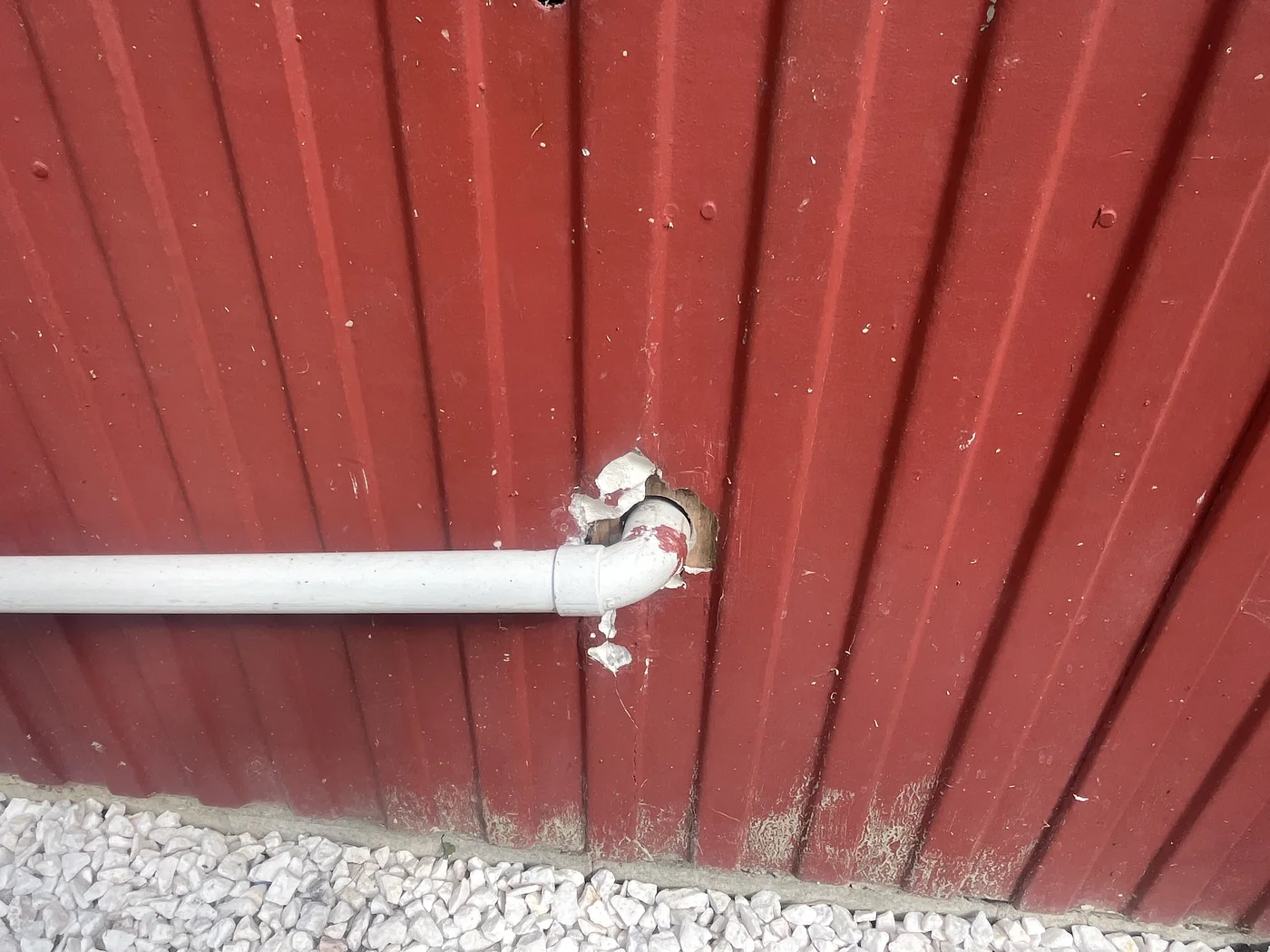
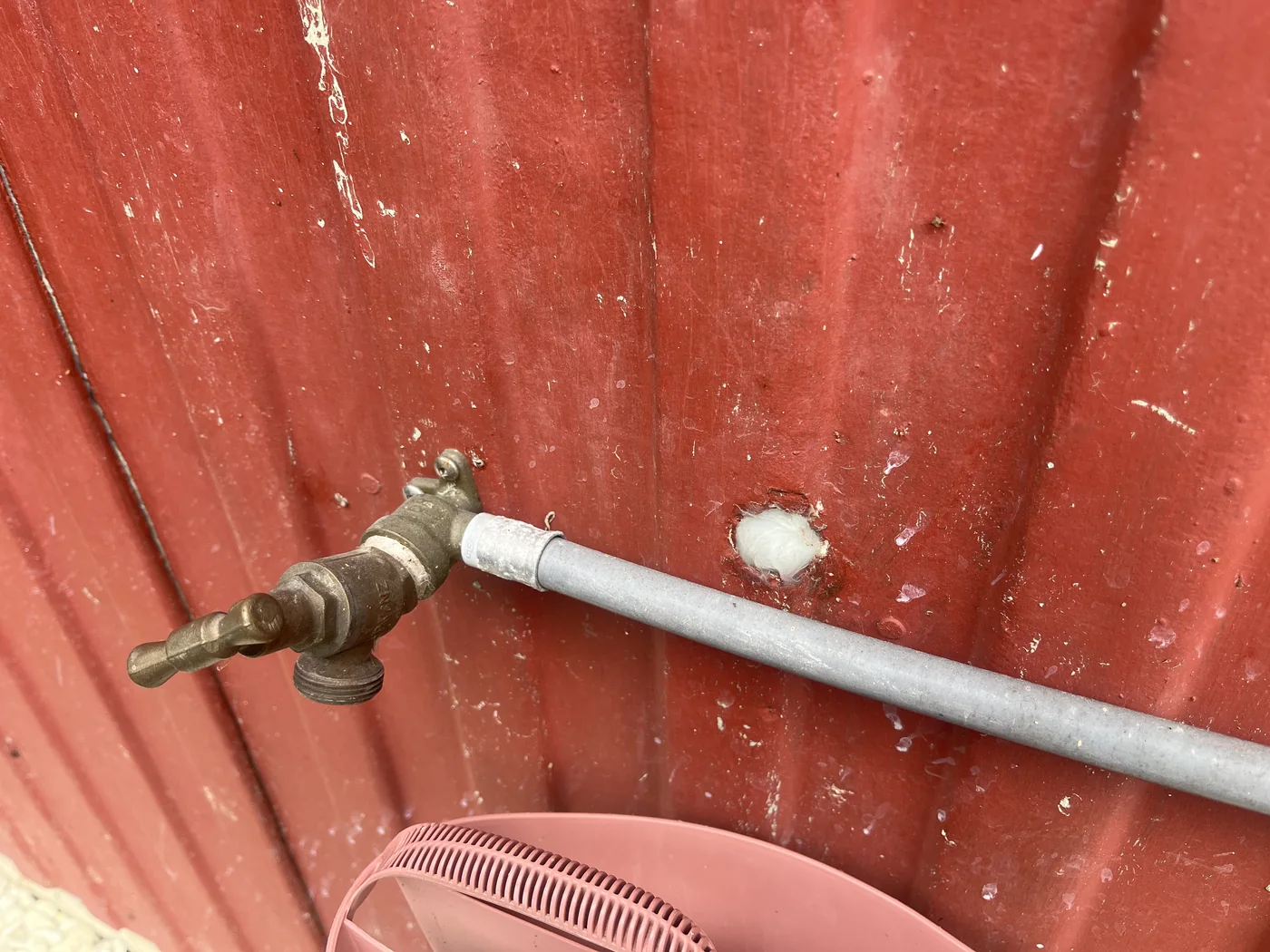
Poorly sealed wall penetrations mean pipes, cables, vents or other openings through the wall appear unsealed, poorly sealed, cracked, deteriorated, loose or unfinished.
These areas may not be large, but they can be vulnerable because they create openings through the outside cladding.
Why it may matter for buyers
For buyers, poorly sealed penetrations may matter because water may track around service openings if detailing or sealant has deteriorated.
This may contribute to moisture risk behind cladding, staining, timber deterioration risk or internal moisture indicators depending on the wall type and location.
Common visible signs
Common visible signs may include:
- Gaps around pipes or cables
- Missing or cracked sealant
- Loose wall fittings
- Unsealed screw holes
- Poorly sealed heat pump penetrations
- Deteriorated sealant around vents
- Staining below penetrations
- Penetrations close to exposed weather areas
- Patch repairs that appear incomplete
Possible causes
Possible causes may include:
- Poor installation of services
- Ageing sealant
- Movement of pipes or fittings
- Maintenance not completed after service work
- UV exposure and weathering
- Incompatible sealant materials
- Previous removal of fixtures
- Poor detailing around cladding penetrations
What a visual inspection can and cannot confirm
A visual, non-invasive inspection can identify visible gaps, failed sealant, poor detailing and other visible signs that may increase moisture risk in accessible areas observed at the time of inspection.
It cannot confirm concealed moisture entry, wall cavity condition or internal framing condition without further specialist assessment.
Recommended next steps
Where poorly sealed wall penetrations are observed, the recommended next step is usually repair or resealing by a suitable tradesperson using appropriate materials and detailing for the cladding type.
The surrounding wall area should also be reviewed for staining, softness, cracking or related visible signs of moisture risk.
When further specialist advice may be appropriate
Further specialist assessment may be appropriate where:
- Multiple penetrations are poorly sealed
- Staining is visible below or inside nearby areas
- The wall cladding is higher risk or complex
- Penetrations are exposed to heavy weather
- Sealant failure appears widespread
- Internal moisture signs are present
- Repair detailing is uncertain
A builder or cladding specialist may be appropriate for cladding detailing. A plumber, electrician or heat pump installer may be appropriate where the penetration relates to that service. A moisture investigation specialist may be appropriate where staining or internal moisture indicators are present.
Related defect links
These related guides can help you understand connected visible moisture-risk, drainage, cladding, flashing or wet-area issues.
Read related defect guide Missing or Defective Flashings
Read related defect guide Ceiling Water Stains
Read related defect guide
Small gaps around pipes, cables or vents are worth checking during an inspection.
A pre-purchase building inspection can help identify visible exterior defects and explain practical next steps.
General education disclaimer
General information only. This resource does not replace a professional inspection or legal, financial, valuation, engineering or specialist advice where required.
FAQ
Are small gaps around pipes important?
They can be. Small gaps may allow moisture entry depending on exposure, cladding type and location.
Can sealant fix the issue?
Some defects may be resolved with suitable resealing, but poor detailing or wider damage may require further assessment.
Can a visual inspection confirm hidden moisture behind the wall?
No. A visual inspection can identify visible signs, but concealed moisture cannot be fully confirmed without further assessment.
Why do service penetrations fail?
They may fail due to poor installation, ageing sealant, movement, weather exposure or incomplete maintenance after service work.