Damp Subfloor Conditions
Subfloor areas can reveal important visible signs of moisture risk during a building inspection. Where safe and accessible, the subfloor is reviewed for visible signs of dampness, drainage issues, ventilation concerns and timber condition.
Damp subfloor conditions may not always mean there is a major defect, but they should be understood as part of the overall property condition.
Last updated:
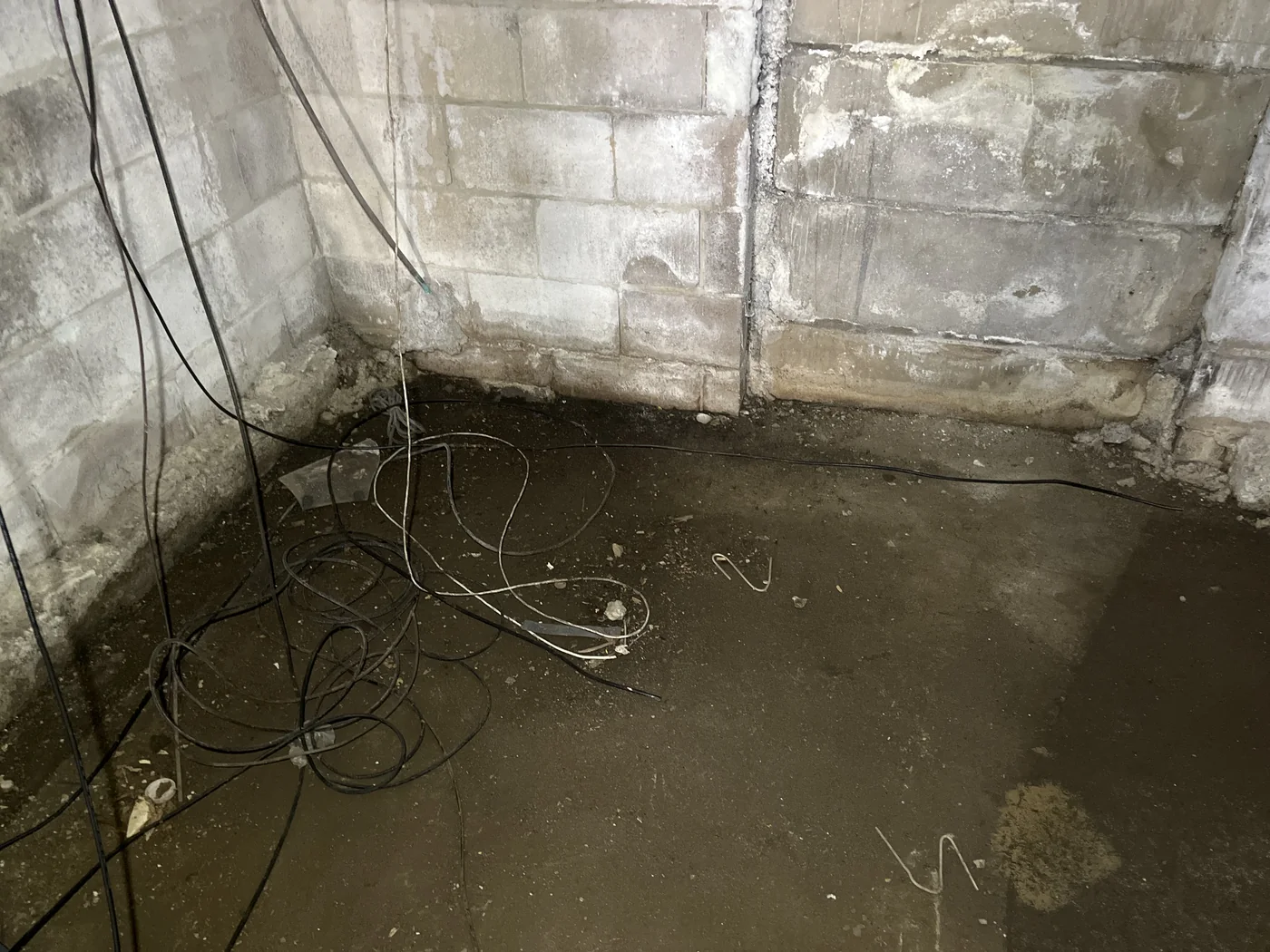
Additional visual examples
Supporting photos and diagrams for this defect topic. Actual site conditions may vary and should be assessed in context.
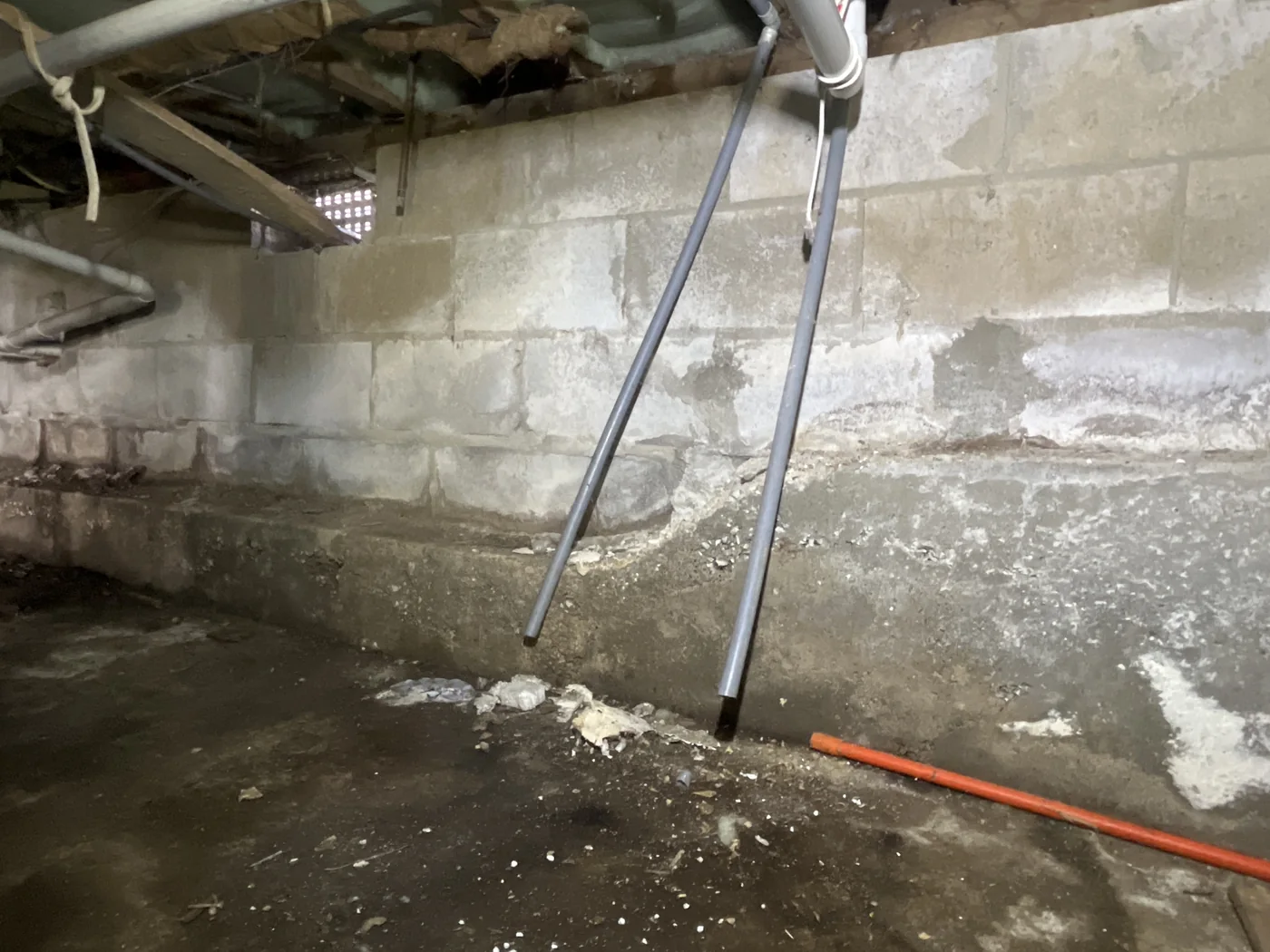
What this defect means
Damp subfloor conditions refer to visible moisture, wet ground, musty odours, mould-like growth, condensation, poor ventilation or damp materials under a suspended timber floor.
These signs may indicate that moisture is present or not drying effectively in the subfloor space.
Why it may matter for buyers
For buyers, damp subfloor conditions may contribute to timber decay risk, corrosion, mould-like growth, musty smells inside the house and future maintenance needs.
Subfloor dampness may also relate to wider issues such as surface water flowing toward the house, downpipes discharging near foundations, missing ground moisture barriers or poor ventilation.
Common visible signs
Common visible signs may include:
- Wet or damp ground
- Ponding water
- Musty odour
- Mould-like growth
- Moisture staining
- Condensation on surfaces
- Damaged or missing ground moisture barrier
- Blocked or insufficient vents
- Timber that appears damp or visibly deteriorated, where accessible
Possible causes
Possible causes may include:
- Poor site drainage
- Ground moisture
- Missing ground moisture barrier
- Inadequate subfloor ventilation
- Blocked vents
- Plumbing leaks
- Downpipes discharging nearby
- Surface water entering under the house
- Low ground clearance
What a visual inspection can and cannot confirm
A visual, non-invasive inspection can identify visible dampness, ventilation concerns and visible signs of moisture risk in accessible subfloor areas observed at the time of inspection.
It cannot confirm concealed timber condition, underground drainage performance, moisture levels in inaccessible areas or the full cause of dampness without further specialist assessment.
Recommended next steps
Where damp subfloor conditions are observed, the recommended next step is to consider drainage, ventilation and ground moisture control together.
Possible actions may include improving surface drainage, connecting downpipes correctly, installing or repairing a ground moisture barrier, clearing blocked vents, improving ventilation or seeking plumbing review if a leak is suspected.
When further specialist advice may be appropriate
Further specialist assessment may be appropriate where:
- Standing water is present
- Timber appears visibly deteriorated, where accessible
- The source of moisture is unclear
- Ventilation appears poor
- Plumbing leaks are visible or suspected
- Access is restricted
- Internal dampness or odour is also present
A builder, drainlayer, plumber, Healthy Homes assessor or moisture specialist may be appropriate.
Related defect links
These related guides can help you understand connected visible moisture-risk, drainage, cladding, flashing or wet-area issues.
Read related defect guide Surface Water Flowing Toward the House
Read related defect guide Downpipes Discharging Near Foundations
Read related defect guide
Subfloor areas are not always easy for buyers to assess during an open home.
A pre-purchase building inspection can help identify visible subfloor dampness and explain when further specialist assessment may be appropriate.
General education disclaimer
General information only. This resource does not replace a professional inspection or legal, financial, valuation, engineering or specialist advice where required.
FAQ
Is a damp subfloor common in Auckland homes?
It can be common, especially in older homes or properties with limited drainage, ventilation or ground moisture control.
Can a visual inspection check the whole subfloor?
Only safe and accessible areas can be inspected. Low clearance, stored items, services or safety concerns may limit access.
Does dampness mean timber decay is present?
Not always. Dampness may increase timber decay risk, but visible timber condition and further assessment may be needed.
What trades may be needed?
Depending on the cause, a builder, plumber, drainlayer or moisture specialist may be appropriate.