Poor Subfloor Ventilation
Poor subfloor ventilation can increase dampness under suspended timber floors and around foundation areas. For Auckland buyers, landlords and property managers, visible moisture indicators in the subfloor can affect durability, air quality, maintenance planning and Healthy Homes-related decisions.
Last updated:
What does this defect mean?
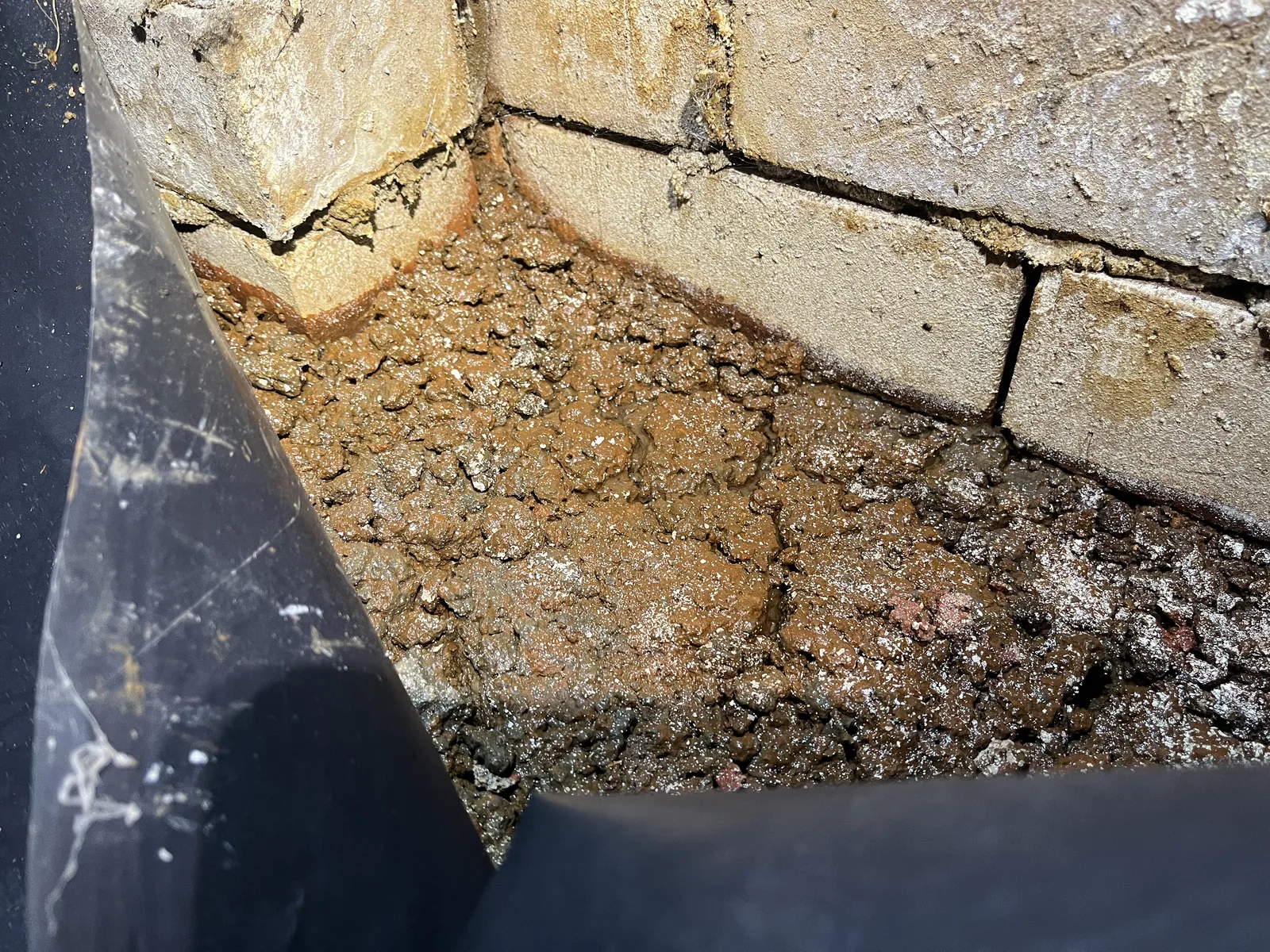
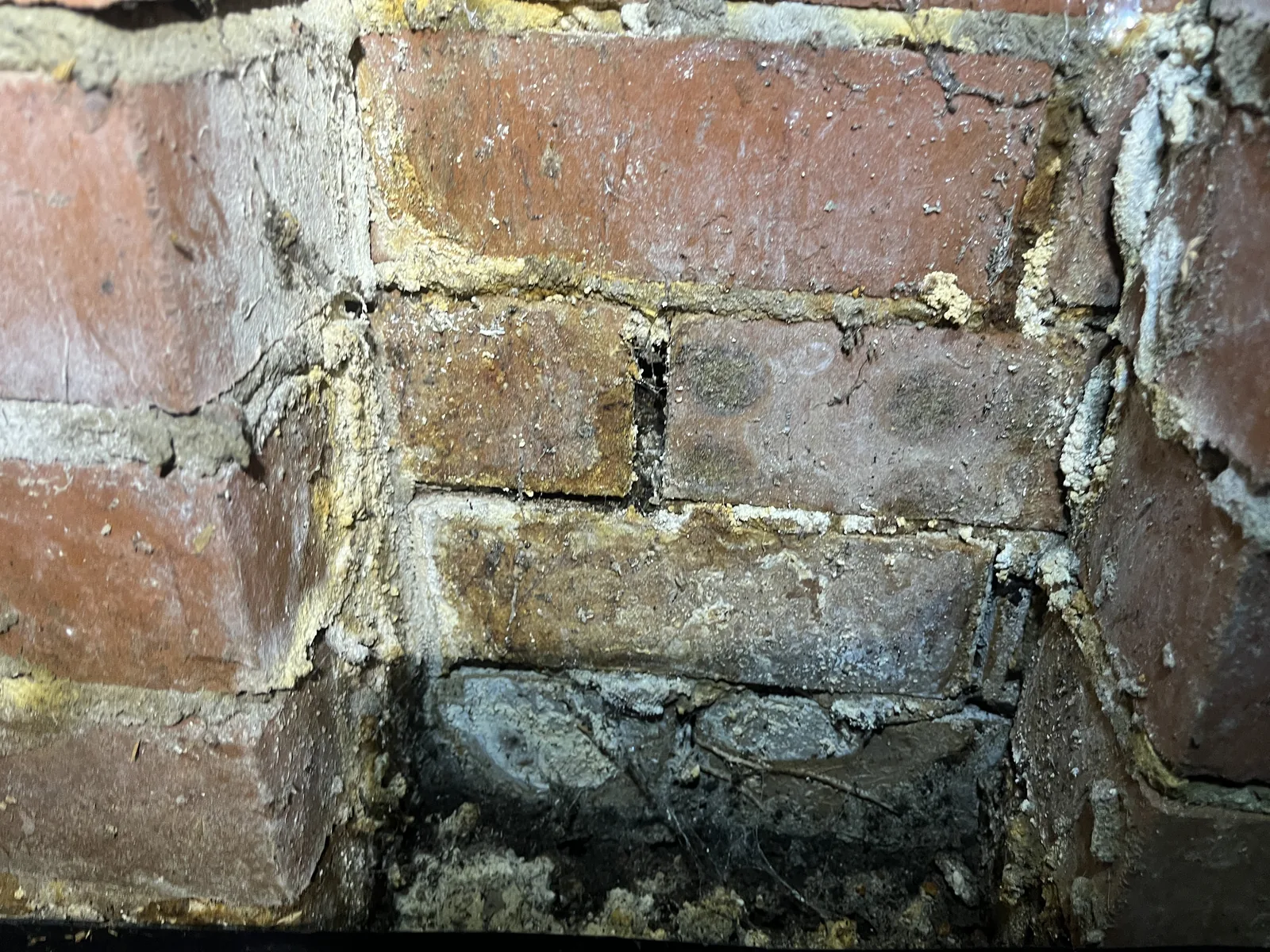
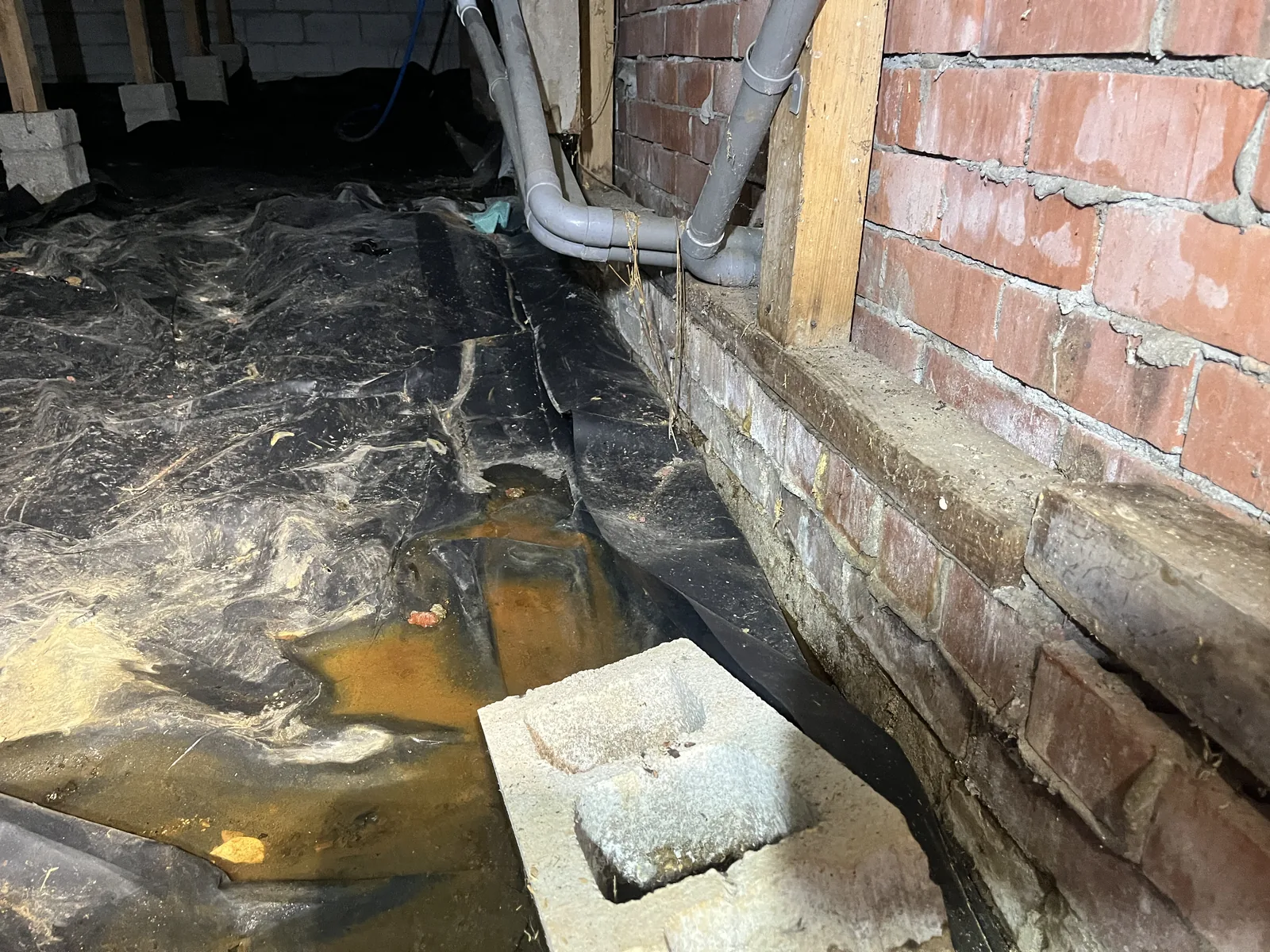
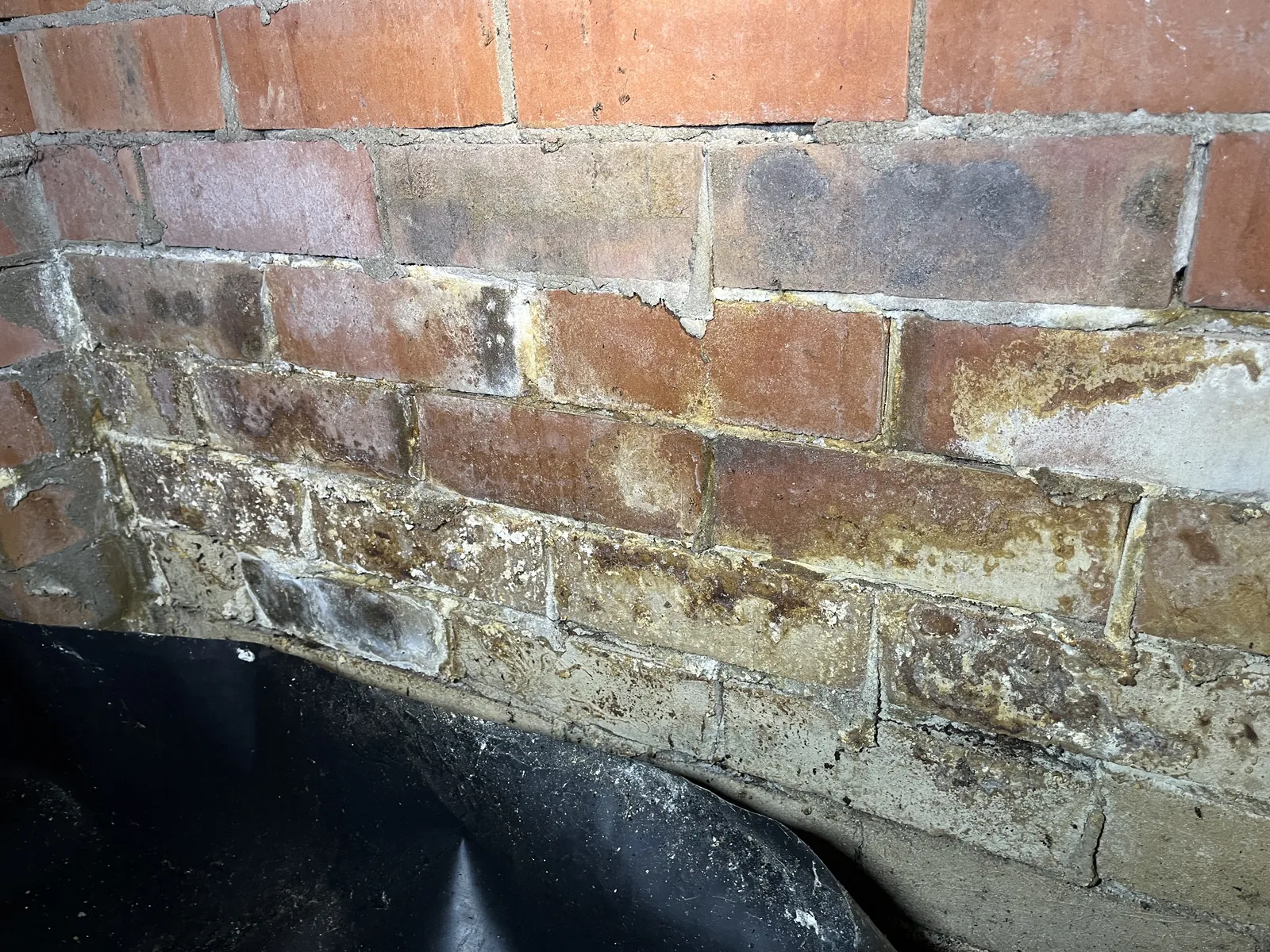
This defect means the subfloor area does not appear to have enough effective airflow to help moisture dry out. Visible indicators may include damp ground, ponding water, efflorescence, mould-like growth on brickwork, musty odour, deteriorated timber or blocked ventilation openings.
Why is it a concern?
A damp subfloor can contribute to timber decay, corrosion of fixings, mould-like growth, musty smells, insulation deterioration and higher moisture levels in the dwelling. Ponding water around foundations may also suggest drainage or ground level issues. The inspection can identify visible indicators, but it cannot confirm concealed timber condition without access and, in some cases, further invasive assessment.
This issue may also relate to ground moisture barrier guide moisture and drainage issues in rental properties, depending on the property and context.
Buying a property in Auckland?
Send us the property address or listing link for a building inspection quote. A visual, non-invasive inspection can help you understand visible defects, limitations and practical next steps before key property deadlines.
Common causes
- Insufficient or blocked subfloor vents
- Ground levels or landscaping restricting airflow
- Poor surface drainage or water falling toward the foundation
- Leaking downpipes, drains or plumbing increasing ground moisture
- Missing, damaged or poorly installed ground moisture barrier
- Debris, stored items or insulation restricting subfloor airflow
What we check during a building inspection
During a visual, non-invasive building inspection, we check accessible subfloor areas where safe entry is possible. Items may include visible ground moisture, ventilation openings, piles, bearers, joists, insulation, drainage indicators, efflorescence, mould-like growth and signs of timber deterioration. Access may be limited by low clearance, hazards, stored items, water, wiring or unsafe conditions.
A standard building inspection is visual and non-invasive. It does not open walls, remove linings or expose concealed framing. Where visible risk indicators are observed, the report may recommend further assessment by a suitable specialist.
Inspection Photo Notes
The supplied inspection photos are used to illustrate the visible condition. Photo evidence supports the observation, but it does not confirm hidden conditions behind linings, cladding, roof spaces or inaccessible areas.
Possible next steps
- Improve drainage and stop water ponding around foundation areas.
- Clear or improve subfloor ventilation openings where appropriate.
- Assess whether a ground moisture barrier is required or damaged, especially for rental properties.
- Arrange further assessment by a suitable builder, drainage contractor or Healthy Homes assessor where dampness indicators are significant.
Related building defects
These related guides can help you understand connected moisture, ventilation, drainage or maintenance risks.
Read related defect guide Cladding Too Close to Ground
Read related defect guide Bathroom Fan Venting Into Roof Space
Read related defect guide
FAQ
What are signs of poor subfloor ventilation?
Visible signs may include damp ground, ponding water, mould-like growth, efflorescence, musty odour, deteriorated timber or blocked ventilation openings.
Can poor subfloor ventilation affect the inside of a home?
Yes. Damp subfloor conditions can contribute to musty smells, higher indoor moisture, timber durability issues and insulation deterioration.
Is a subfloor always inspected during a pre-purchase inspection?
Only where safe and reasonable access is available. Low clearance, water, stored items, hazards or unsafe conditions can limit inspection.
Does this relate to Healthy Homes requirements?
It can. Moisture ingress, drainage and ground moisture barrier requirements may be relevant for rental properties, depending on the property and tenancy situation.
Who should assess damp subfloor issues?
A suitable builder, drainage contractor or Healthy Homes assessor may be recommended depending on the moisture source and property type.
Need a Building Inspection in Auckland?
Buying a property in Auckland? Send us the property address or listing link for a building inspection quote.
Cozy Building Compliance Ltd provides visual, non-invasive pre-purchase building inspections across Auckland, with practical reporting and clear next-step recommendations.