Downpipes Discharging Near Foundations
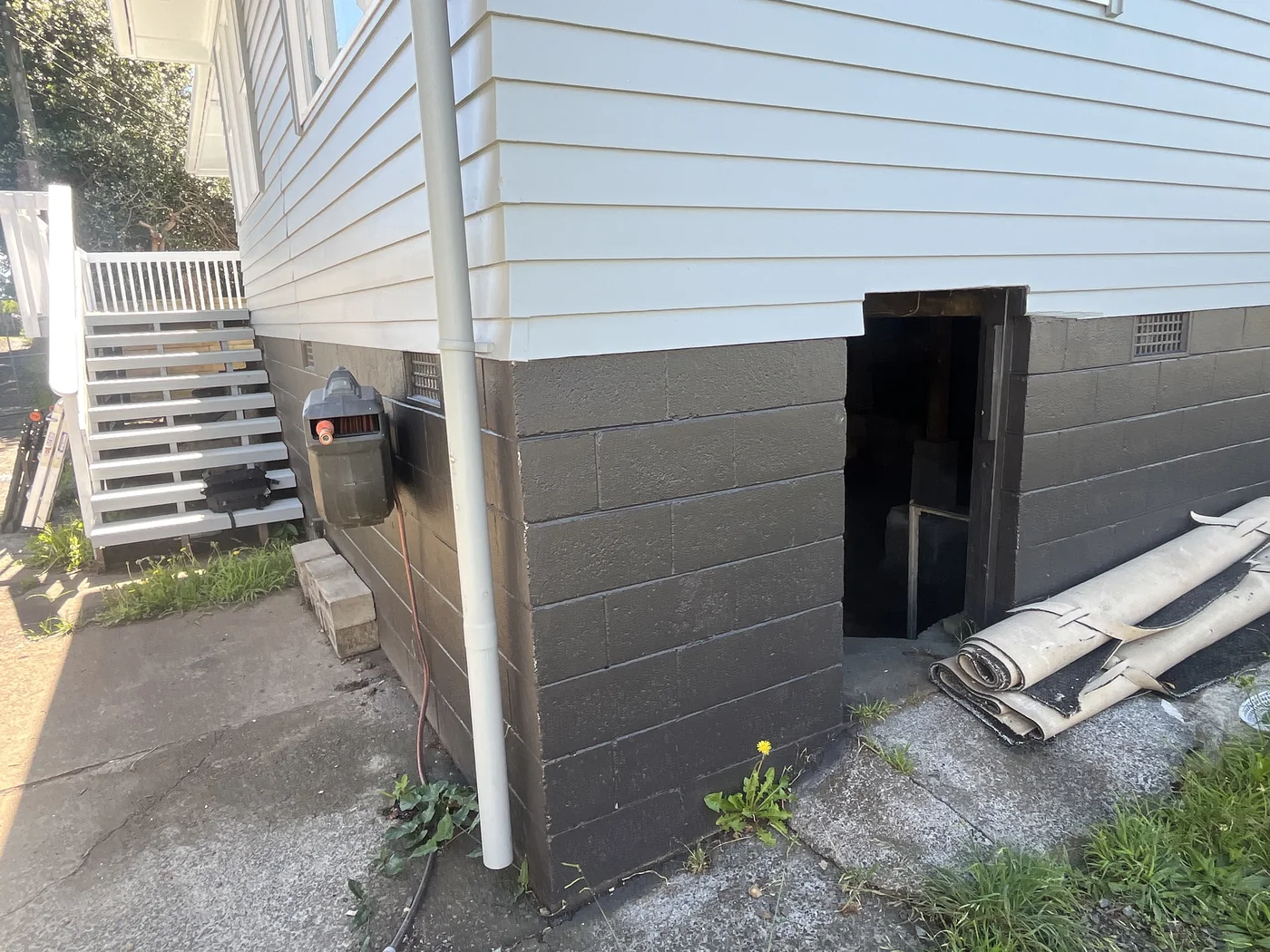
Downpipes are intended to collect roof water and direct it safely away through a suitable stormwater drain or system. When downpipes discharge directly onto the ground near the house, this can increase moisture risk around foundations, cladding, subfloor areas and adjacent landscaping.
This is a common visible defect found during pre-purchase building inspections.
Last updated:
Additional visual examples
Supporting photos and diagrams for this defect topic. Actual site conditions may vary and should be assessed in context.
What this defect means
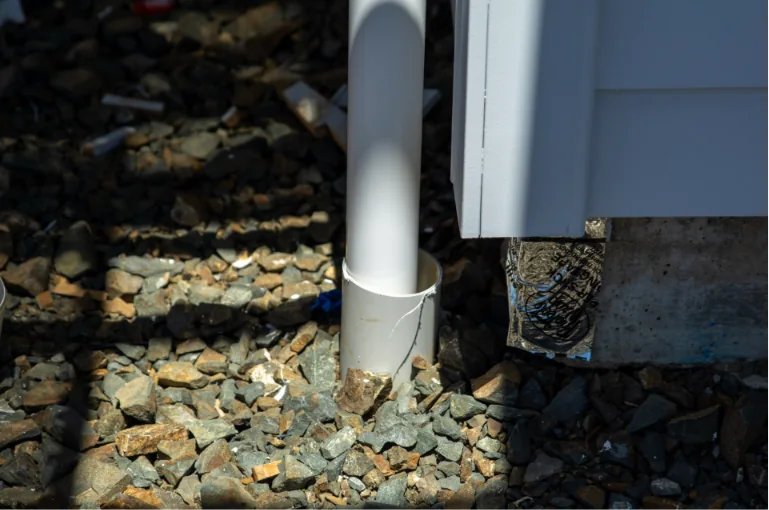
Downpipes discharging near foundations means roof water appears to be released close to the base of the house rather than being connected to an appropriate stormwater outlet or directed well away from the building.
This may be visible as an open-ended downpipe, disconnected pipe, temporary extension, damaged stormwater connection or water discharge point close to the wall.
Why it may matter for buyers
For buyers, poor downpipe discharge may contribute to damp soil, ponding, subfloor dampness, moisture staining, moisture around the foundations and deterioration of nearby materials.
It may also indicate incomplete maintenance or unclear stormwater management. In some cases, the issue may be simple to correct. In others, further drainage advice may be required.
Common visible signs
Common visible signs may include:
- Downpipes ending above ground near the house
- Water discharging onto paving or soil beside foundations
- Disconnected or broken downpipe sections
- Temporary flexible pipe extensions
- Erosion or washed-out soil near the outlet
- Ponding at wall bases
- Damp subfloor conditions nearby
- Moss, algae or staining near discharge areas
- No visible stormwater connection
Possible causes
Possible causes may include:
- Disconnected stormwater pipework
- Broken or blocked underground drainage
- Incomplete repairs
- Previous alterations to gutters or downpipes
- Poor original drainage design
- Temporary drainage extensions left in place
- Landscaping or paving changes affecting discharge
- Lack of maintenance
What a visual inspection can and cannot confirm
A visual, non-invasive inspection can identify visible downpipe discharge issues in accessible areas observed at the time of inspection.
It cannot confirm the condition, route or performance of underground stormwater drains. It also cannot confirm how the drainage system performs during heavy rainfall unless further specialist testing is arranged.
Recommended next steps
Where downpipes discharge near foundations, the recommended next step is to check whether the downpipes can be connected to a suitable stormwater system or extended to discharge away from the building.
The surrounding ground condition should also be reviewed for signs of ponding, dampness or erosion.
When further specialist advice may be appropriate
Further specialist assessment may be appropriate where:
- Downpipes are not connected to stormwater
- Water ponds beside the building
- Subfloor areas appear damp
- Underground drains may be blocked or damaged
- Soil erosion is visible
- Stormwater discharge location is unclear
- Multiple downpipes have the same issue
A drainlayer may be appropriate for underground stormwater drainage. A roofer, plumber or builder may be appropriate where the issue relates to gutters, downpipes, above-ground connections or building detailing.
Related defect links
These related guides can help you understand connected visible moisture-risk, drainage, cladding, flashing or wet-area issues.
Read related defect guide Damp Subfloor Conditions
Read related defect guide Ceiling Water Stains
Read related defect guide
Downpipe issues can be easy to miss during a quick viewing.
A pre-purchase building inspection can help identify visible drainage and visible signs of moisture risk around accessible exterior areas.
General education disclaimer
General information only. This resource does not replace a professional inspection or legal, financial, valuation, engineering or specialist advice where required.
FAQ
Is a downpipe discharging onto the ground a problem?
It may be. If roof water is discharged close to the house, it can increase moisture risk around foundations, cladding and subfloor areas.
Can a visual inspection test underground stormwater pipes?
No. A standard visual inspection does not test underground drains. A licensed drainlayer or drainage contractor may be required for further assessment.
Could this affect the subfloor?
Yes. Poor roof water discharge near the house could contribute to damp subfloor conditions, depending on site levels, drainage and ground conditions.
Can the repair scope vary?
Yes. Some downpipe discharge issues may be minor, while others may require drainage work. A suitable tradesperson can advise on the likely repair scope.