Cladding Too Close to Ground
Cladding too close to ground or paving is a common moisture-risk detail in Auckland homes. It matters for buyers, sellers, landlords and property managers because the base of the wall needs suitable clearance, drainage and airflow to dry after rain.
Last updated:
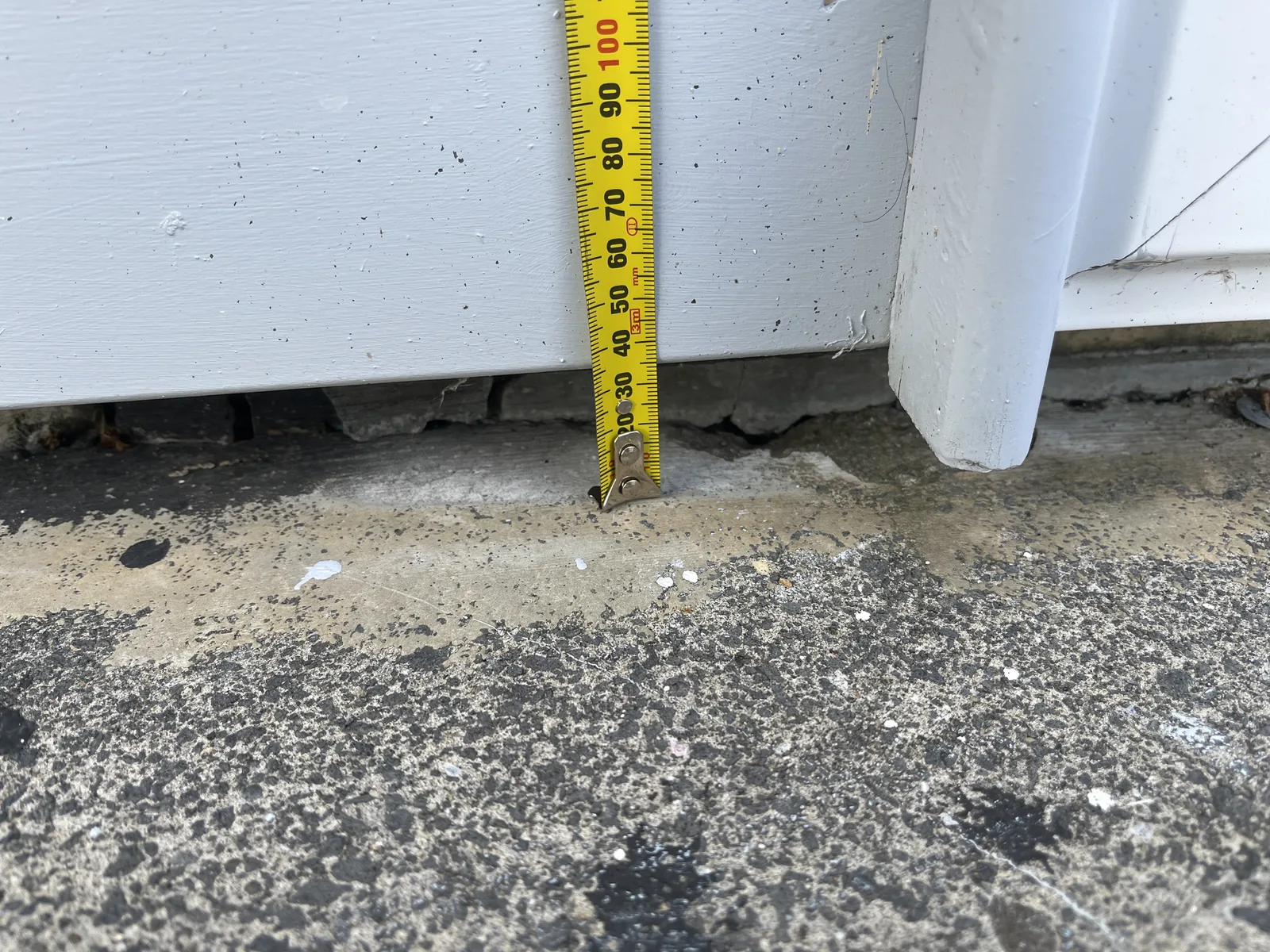
What does this defect mean?
This defect means the bottom edge of the exterior cladding is too close to paving, concrete, soil, mulch, decking or another finished ground surface. The concern is not only the measurement itself. The concern is whether rain splashback, damp soil, debris or poor drainage can keep the lower wall area wet for longer than intended.
Why is it a concern?
Reduced clearance can increase the risk of paint failure, cladding deterioration, swelling, timber decay, mould smell, pest activity and weathertightness concerns. In some cases, the area may look tidy from a distance but still create a moisture-risk detail at the base of the wall. The condition of concealed framing cannot be confirmed by visual inspection alone.
This issue may also relate to property maintenance support, depending on the property and context.
Buying a property in Auckland?
Send us the property address or listing link for a building inspection quote. A visual, non-invasive inspection can help you understand visible defects, limitations and practical next steps before key property deadlines.
Common causes
- Paving or concrete added after the house was built
- Garden soil, bark or mulch built up against the wall
- Poor surface water fall around paths, driveways or landscaping
- Decking, steps or landscaping installed too close to the cladding
- Original construction detail with limited clearance
- Blocked drainage, debris build-up or restricted airflow
What we check during a building inspection
During a visual, non-invasive building inspection, we check accessible cladding clearances, ground levels, paving, visible cladding condition, lower wall paint condition, signs of decay, moisture staining, drainage fall and whether vegetation or debris is trapping moisture at the wall base.
A standard building inspection is visual and non-invasive. It does not open walls, remove linings or expose concealed framing. Where visible risk indicators are observed, the report may recommend further assessment by a suitable specialist.
Inspection Photo Notes
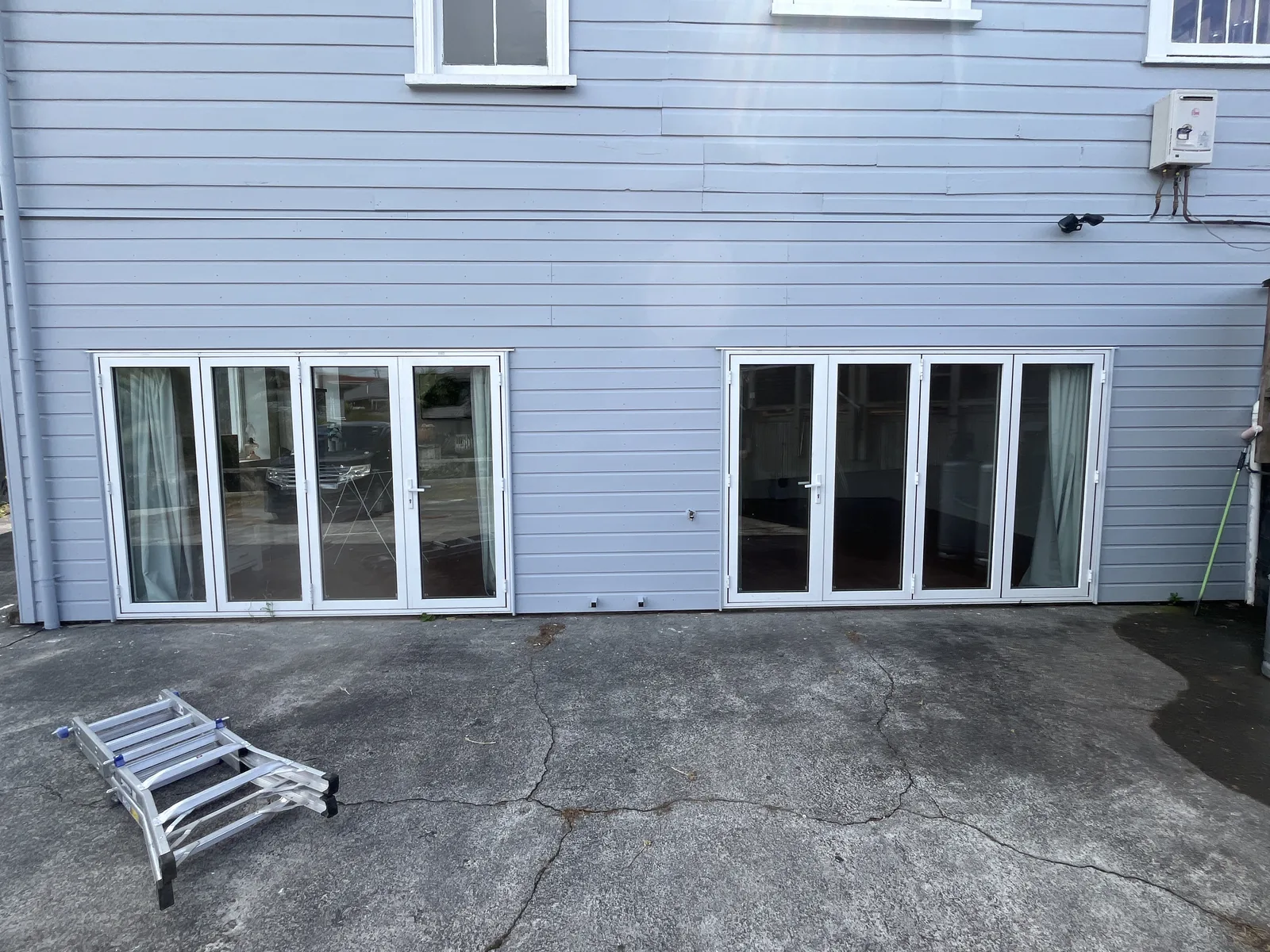
The supplied inspection photos are used to illustrate the visible condition. Photo evidence supports the observation, but it does not confirm hidden conditions behind linings, cladding, roof spaces or inaccessible areas.
Possible next steps
- Remove built-up soil, mulch or debris where practical and maintain clear drainage paths.
- Improve surface water fall away from the building where required.
- Where cladding is damaged or clearance is significantly reduced, further assessment by a suitable builder, cladding specialist or drainage contractor may be recommended.
Related building defects
These related guides can help you understand connected moisture, ventilation, drainage or maintenance risks.
Read related defect guide Blocked Gutters and Spouting
Read related defect guide Poor Subfloor Ventilation
Read related defect guide
FAQ
Is cladding too close to ground always a major defect?
Not always. The level of concern depends on cladding type, exposure, drainage, condition and whether there are visible moisture indicators. It should still be treated as a moisture-risk detail.
Can reduced cladding clearance be improved?
Often yes. Possible improvements include lowering soil, removing mulch, improving drainage, trimming vegetation or repairing affected cladding. The correct action depends on the site condition.
Does this mean the framing is damaged?
No. It may indicate increased moisture risk, but concealed framing cannot be confirmed without invasive investigation.
Should this be recorded in a pre-purchase report?
Yes. Reduced cladding clearance is a useful visible defect to record because it can affect maintenance planning and further adviser discussions.
Who should assess repairs?
A suitable builder, cladding specialist or drainage contractor may be appropriate depending on the issue observed.
Need a Building Inspection in Auckland?
Buying a property in Auckland? Send us the property address or listing link for a building inspection quote.
Cozy Building Compliance Ltd provides visual, non-invasive pre-purchase building inspections across Auckland, with practical reporting and clear next-step recommendations.