Roof Flashing Defects
Roof flashings are used to manage water at roof junctions, edges, valleys, skylights, chimneys and areas where pipes or vents pass through the roof. When roof flashings are damaged, loose, corroded or poorly detailed, they may increase moisture risk.
During a visual, non-invasive inspection, roof flashing areas are reviewed where safe and accessible.
Last updated:
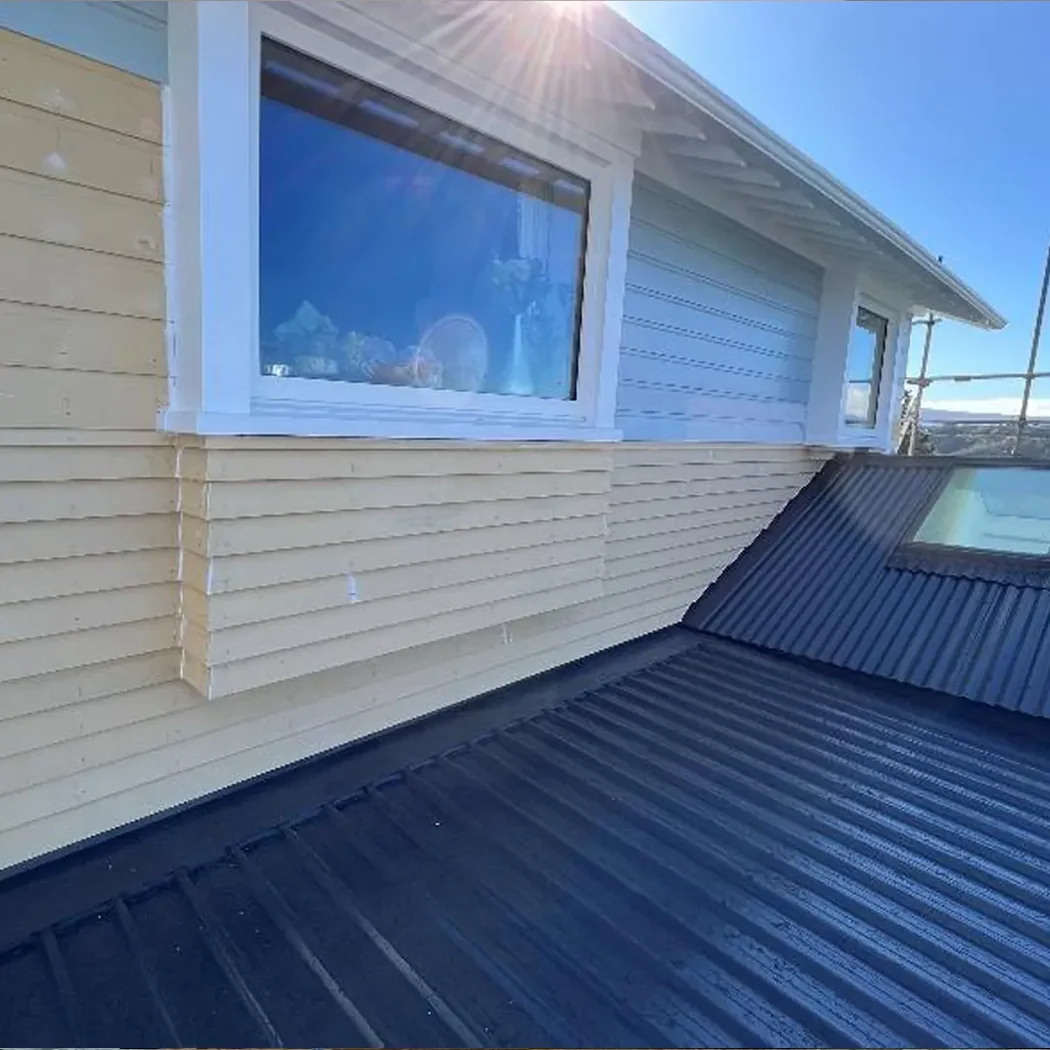
Additional visual examples
Supporting photos and diagrams for this defect topic. Actual site conditions may vary and should be assessed in context.
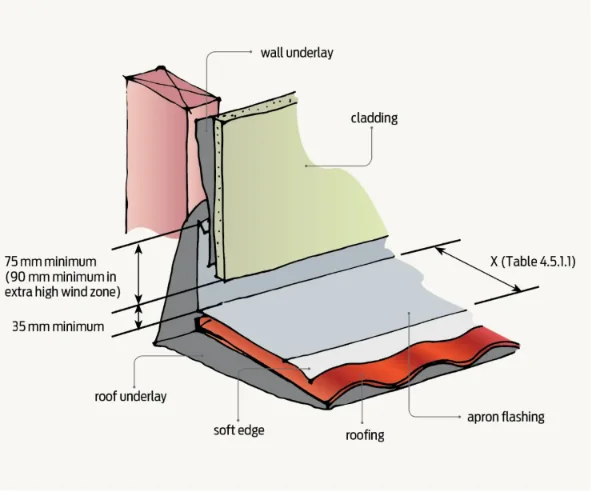
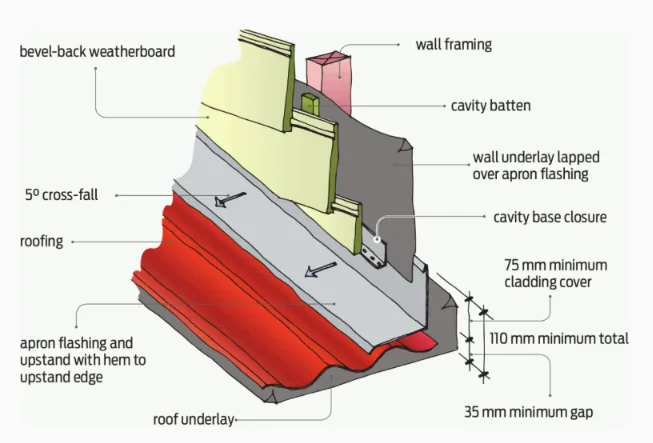
What this defect means
Roof flashing defects may include loose flashings, lifted edges, corrosion, cracked sealant, poor laps, damaged apron flashings, inadequate flashings around roof pipes, vents or other openings or visible deterioration at roof junctions.
These are visible signs that may increase moisture risk rather than automatic confirmation of internal moisture damage.
Why it may matter for buyers
For buyers, roof flashing defects may matter because roof junctions are common moisture-sensitive areas. Poor flashing condition may contribute to ceiling stains, roof space moisture, timber deterioration risk or future repair requirements.
The level of concern depends on roof type, age, pitch, exposure, access and whether related moisture signs are visible.
Common visible signs
Common visible signs may include:
- Loose or lifted roof flashings
- Rust or corrosion
- Cracked or deteriorated sealant
- Gaps at flashing edges
- Poorly lapped flashing sections
- Temporary patch repairs
- Staining below roof junctions
- Damaged chimney, skylight or vent flashings
- Debris trapped around flashing areas
Possible causes
Possible causes may include:
- Ageing roof materials
- Weather exposure
- Poor installation
- Movement at roof junctions
- Corrosion
- UV damage to sealants
- Previous roof repairs
- Foot traffic or storm damage
- Blocked valleys or debris build-up
What a visual inspection can and cannot confirm
A visual, non-invasive inspection can identify visible roof flashing defects from safely accessible areas observed at the time of inspection.
It cannot confirm concealed moisture entry, roof framing condition, hidden underlay condition or the performance of flashings during heavy rain without further specialist assessment. Roof access may also be limited by height, pitch, surface condition, weather or safety.
Recommended next steps
Where roof flashing defects are visible, the recommended next step is to arrange further assessment and repair advice from a suitable roofing contractor.
Buyers should also review internal ceilings and roof space areas where accessible for related visible signs of moisture risk.
When further specialist advice may be appropriate
Further specialist assessment may be appropriate where:
- Flashings are loose, corroded or poorly sealed
- Roof access was limited
- Ceiling water stains are visible below
- Roof junctions are complex
- Previous repairs appear temporary
- The roof is older or poorly maintained
- Moisture source is unclear
A roofing contractor, builder or moisture investigation specialist may be appropriate depending on the issue.
Related defect links
These related guides can help you understand connected visible moisture-risk, drainage, cladding, flashing or wet-area issues.
Read related defect guide Ceiling Water Stains
Read related defect guide Surface Water Flowing Toward the House
Read related defect guide
Roof flashing defects can be difficult to assess during a normal property viewing.
A pre-purchase building inspection can help identify visible roof-related signs of moisture risk where safe access is available.
General education disclaimer
General information only. This resource does not replace a professional inspection or legal, financial, valuation, engineering or specialist advice where required.
FAQ
Why are roof flashings important?
Roof flashings help manage water at roof junctions, vents, chimneys, skylights or other openings through the roof.
Can a visual inspection confirm whether a roof flashing is leaking?
No. A visual inspection can identify visible defects and visible signs of moisture risk, but further assessment may be required.
What if the roof cannot be safely accessed?
The roof may be reviewed from ground level, ladder edge, roof space or other safe accessible areas where possible.
Who should assess roof flashing defects?
A qualified or experienced roofing contractor is usually appropriate for roof flashing assessment and repair advice.