Missing Ground Moisture Barrier
A ground moisture barrier helps reduce moisture rising from exposed ground in a subfloor area. A ground moisture barrier is usually a plastic sheet installed over exposed soil under the house. Where a subfloor is accessible, the presence and general condition of the ground moisture barrier may be reviewed during a visual, non-invasive inspection.
A missing or damaged ground moisture barrier may contribute to damp subfloor conditions, depending on the property design, ground condition and ventilation.
Last updated:
What this defect means
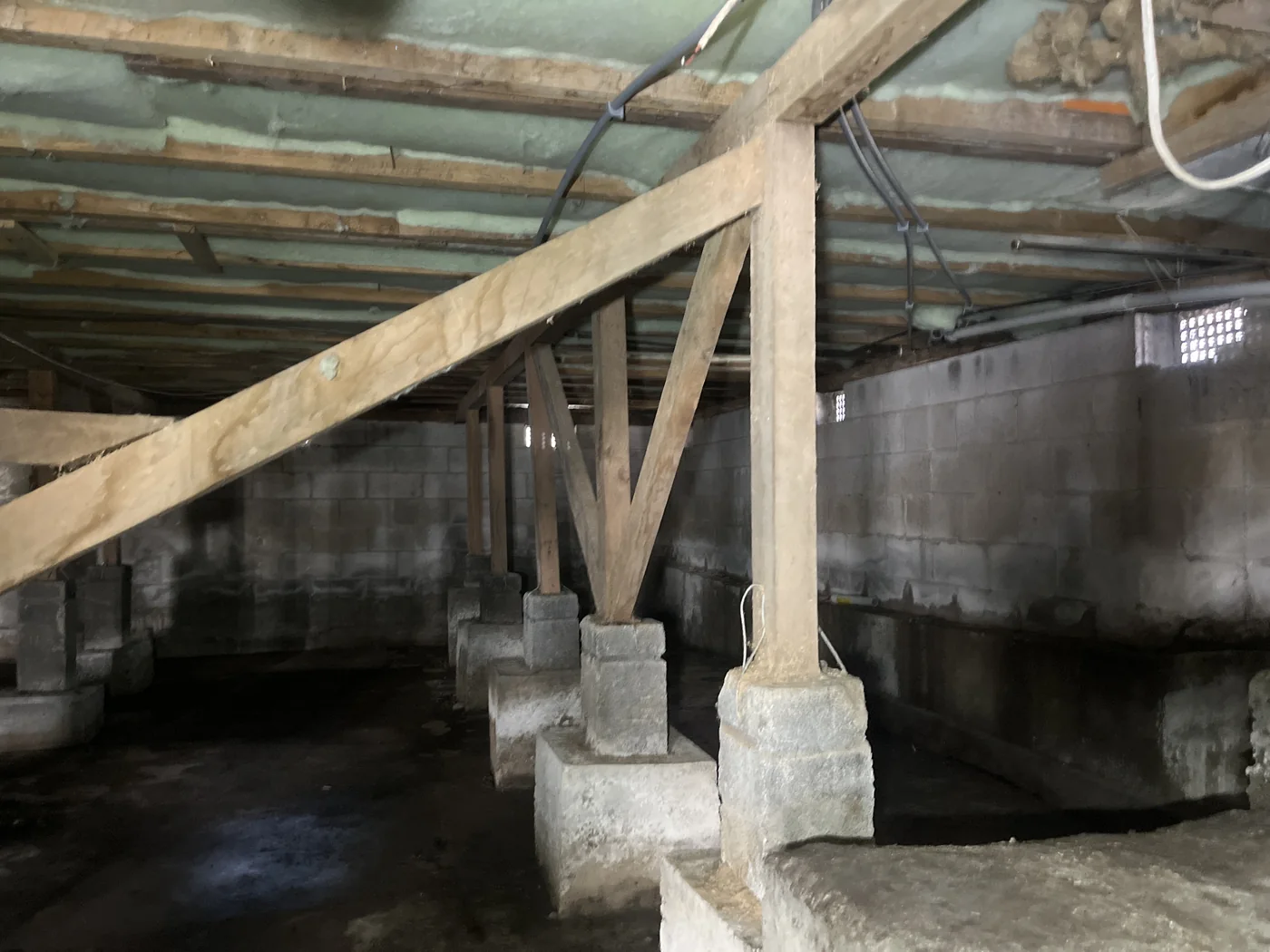
A missing ground moisture barrier means exposed soil or ground is visible in the subfloor where a suitable plastic sheet, often called polythene, or other ground moisture barrier may be expected.
This does not automatically mean the house has moisture damage, but it is a visible moisture-risk indicator that may require further consideration.
Why it may matter for buyers
For buyers, a missing ground moisture barrier may matter because exposed ground can allow moisture vapour to rise into the subfloor space. This may contribute to dampness, musty odours, timber moisture risk, corrosion of fixings and internal moisture conditions.
It may also be relevant where the property is intended for rental use, but Healthy Homes compliance should be confirmed through a separate appropriate assessment.
Common visible signs
Common visible signs may include:
- Exposed soil in the subfloor
- Missing or incomplete plastic sheet / polythene sheet
- Torn or displaced moisture barrier
- Damp ground surface
- Musty odour in the subfloor
- Mould-like growth on surfaces
- Condensation or moisture staining
- Poor subfloor ventilation
- Timber close to damp ground
Possible causes
Possible causes may include:
- Barrier was never installed
- Older property construction
- Damaged or displaced plastic sheet / polythene sheet
- Plumbing, wiring or insulation work disturbing the barrier
- Animals or pests moving the barrier
- Flooding or water movement under the house
- Incomplete maintenance or upgrade work
What a visual inspection can and cannot confirm
A visual, non-invasive inspection can identify whether a ground moisture barrier is visible in accessible subfloor areas observed at the time of inspection.
It cannot confirm the condition of concealed areas where access is restricted. It also cannot confirm full moisture performance of the subfloor without further assessment, monitoring or specialist testing.
Recommended next steps
Where a ground moisture barrier is missing or incomplete, buyers should consider whether installation or repair may be appropriate. This may involve installing a suitable plastic sheet / polythene sheet over exposed ground, improving ventilation, addressing drainage issues or repairing damaged sections.
The issue should be considered alongside subfloor dampness, ventilation and drainage conditions.
When further specialist advice may be appropriate
Further specialist assessment may be appropriate where:
- The subfloor is visibly damp
- Ground clearance is limited
- Ventilation is poor
- Timber deterioration is visible
- Drainage issues are present
- The property is intended for rental use
- Access limitations prevent a full visual review
A builder, Healthy Homes assessor, insulation provider, suitable subfloor specialist or moisture investigation specialist may be appropriate. A drainage specialist may also be appropriate where damp ground, ponding or external drainage concerns are present.
Related defect links
These related guides can help you understand connected visible moisture-risk, drainage, cladding, flashing or wet-area issues.
Read related defect guide Surface Water Flowing Toward the House
Read related defect guide Downpipes Discharging Near Foundations
Read related defect guide
Subfloor moisture control is an important part of understanding property condition.
A pre-purchase building inspection can help identify visible signs of subfloor moisture risk where safe access is available.
General education disclaimer
General information only. This resource does not replace a professional inspection or legal, financial, valuation, engineering or specialist advice where required.
FAQ
What is a ground moisture barrier?
It is usually a plastic sheet, often called polythene, installed over exposed ground under the house to help reduce moisture rising into the subfloor space.
Does a missing ground moisture barrier mean the house is damaged?
Not necessarily. It is a moisture-risk indicator and should be considered together with ventilation, drainage and timber condition.
Can all subfloor areas be checked?
No. Access may be limited by low clearance, services, insulation, stored items or safety concerns.
Who can install or assess a ground moisture barrier?
A builder, insulation provider, Healthy Homes assessor or suitable subfloor specialist may be appropriate.