Elevated Moisture Reading at Window
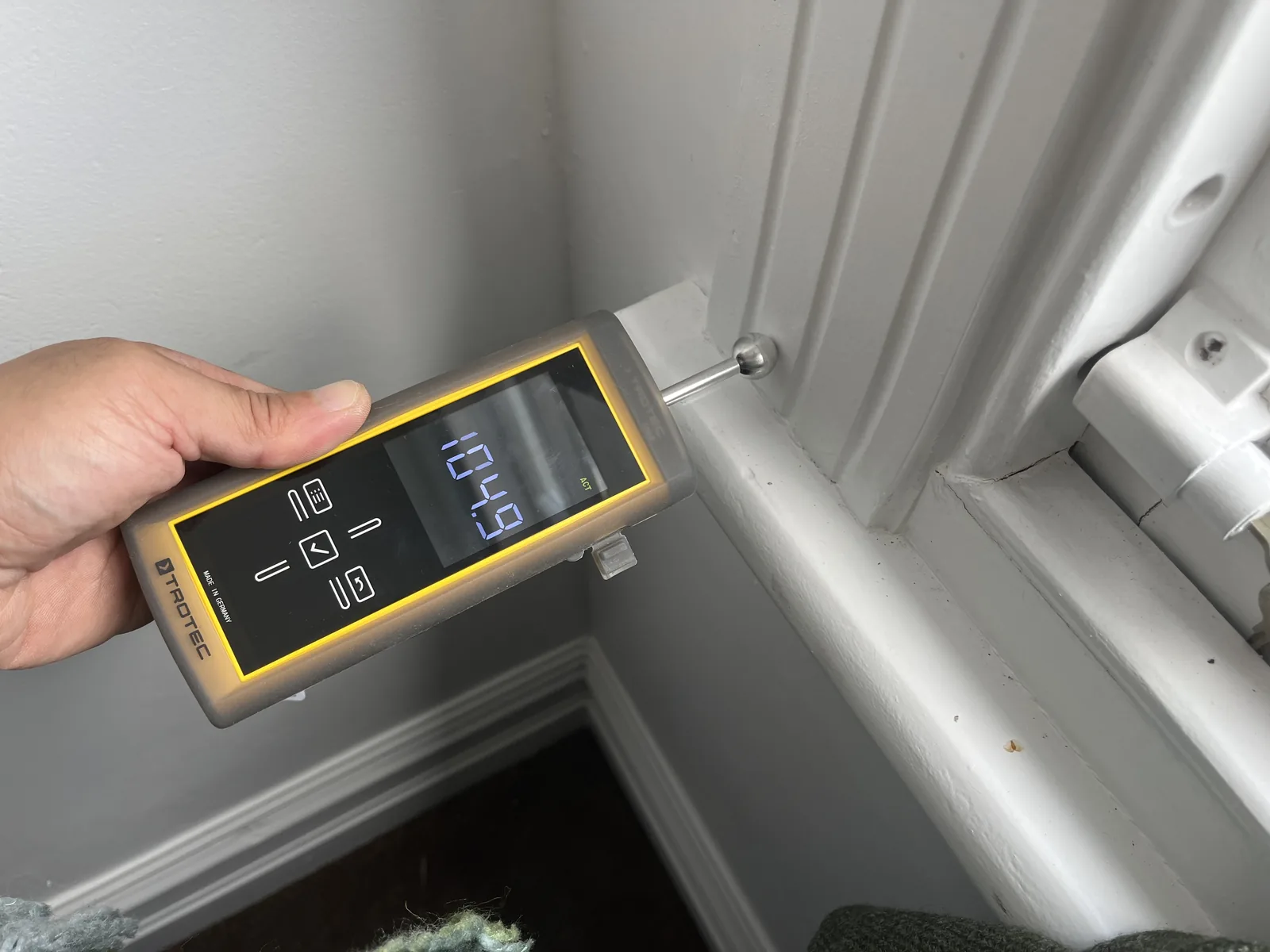
Elevated moisture readings around a window frame can be an important warning sign for Auckland home buyers, sellers, landlords and property managers. The reading does not prove hidden framing damage, but it may indicate localised moisture ingress, moisture retention or deterioration around the window sill or joinery.
Last updated:
What does this defect mean?
This defect means a moisture meter has indicated higher readings at or around the window frame, sill or adjacent joinery. In this example, the wall lining around the window may still appear normal, while the window frame or sill itself shows elevated readings. In a visual, non-invasive inspection, this is treated as an indicator that the joinery area may require closer assessment.
Why is it a concern?
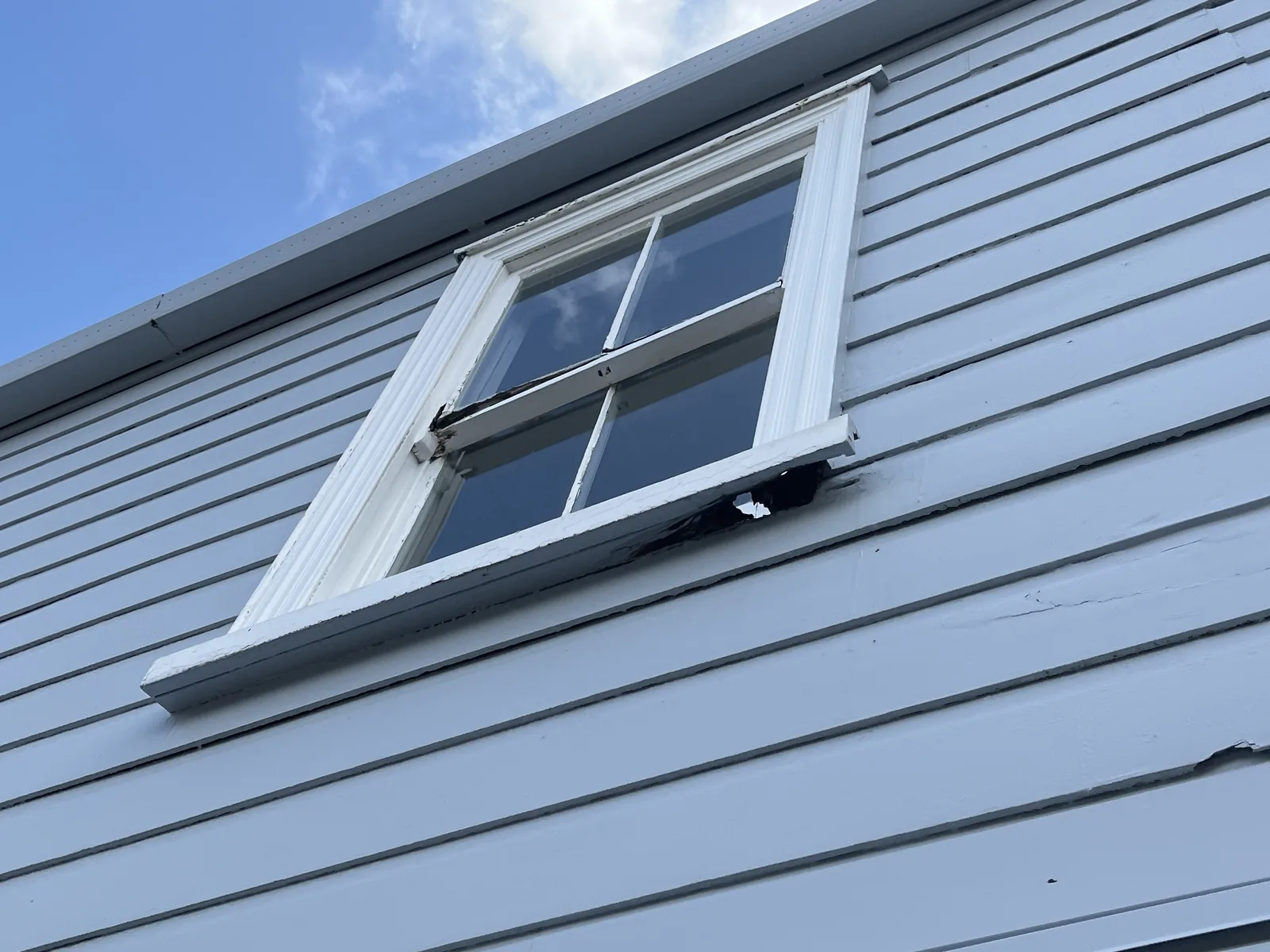
Windows are common moisture-risk locations because they rely on suitable cladding junctions, sill detailing, sealants, flashings, coatings and drainage paths. Elevated readings may be associated with failed paint, deteriorated timber, defective junction detailing or water tracking at the window-to-cladding interface. If left unattended, moisture may affect the sill, window frame, adjacent finishes or concealed framing. The condition of concealed framing cannot be confirmed without invasive investigation.
This issue may also relate to Healthy Homes assessment, depending on the property and context.
Buying a property in Auckland?
Send us the property address or listing link for a building inspection quote. A visual, non-invasive inspection can help you understand visible defects, limitations and practical next steps before key property deadlines.
Common causes
- Failed exterior paint or coating at the window sill
- Cracked or deteriorated sealant around the window-to-cladding junction
- Deteriorated timber sill or frame holding moisture
- Poor sill fall, drainage or window detailing
- Water tracking behind the cladding or around flashings
- Previous repairs that have not addressed the source of moisture
What we check during a building inspection
During a non-invasive building inspection, we visually check the window frame, sill, visible cladding junctions, sealant condition, coating condition, staining, decay indicators and accessible interior linings. Moisture readings may be taken in selected risk areas. These readings are indicative only and do not expose concealed framing, building wrap, underlay or flashings.
A standard building inspection is visual and non-invasive. It does not open walls, remove linings or expose concealed framing. Where visible risk indicators are observed, the report may recommend further assessment by a suitable specialist.
Inspection Photo Notes
The supplied inspection photos are used to illustrate the visible condition. Photo evidence supports the observation, but it does not confirm hidden conditions behind linings, cladding, roof spaces or inaccessible areas.
Possible next steps
- Further assessment by a suitable LBP builder, window specialist or weathertightness professional may be recommended.
- Repairs may include sill repair, coating maintenance, junction sealing, flashing review or targeted investigation where justified.
- If you are buying the property, record the issue clearly before key property deadlines and consider repair quotes or specialist advice.
Related building defects
These related guides can help you understand connected moisture, ventilation, drainage or maintenance risks.
Read related defect guide Blocked Gutters and Spouting
Read related defect guide Poor Subfloor Ventilation
Read related defect guide
FAQ
Does an elevated moisture reading mean the wall framing is rotten?
No. A moisture meter reading is an indicator only. It may show increased moisture risk, but concealed framing condition cannot be confirmed without invasive investigation.
Can the wall lining still read normal if the window frame is wet?
Yes. Moisture can be localised at the sill or joinery while nearby visible linings appear normal at the time of inspection.
Should I be concerned before buying a house with this issue?
It should be considered carefully, especially if there is visible sill decay, failed paint, staining or known weathertightness concerns. Further assessment or repair advice may be appropriate.
Who should assess window moisture issues?
A suitable LBP builder, window specialist or weathertightness professional may be recommended depending on the extent and location of the concern.
Is this checked during a pre-purchase building inspection?
Accessible windows and selected moisture-risk areas can be visually checked during a pre-purchase inspection, subject to safe access and inspection limitations.
Need a Building Inspection in Auckland?
Buying a property in Auckland? Send us the property address or listing link for a building inspection quote.
Cozy Building Compliance Ltd provides visual, non-invasive pre-purchase building inspections across Auckland, with practical reporting and clear next-step recommendations.