Cracks in Exterior Cladding
Exterior cladding helps protect a house from weather. Cracks in cladding may reduce the ability of the outside wall cladding system to manage moisture and should be reviewed during a pre-purchase building inspection.
Not every crack indicates a major problem, but cracks can be visible signs that may increase moisture risk depending on location, size, pattern and surrounding details.
Last updated:
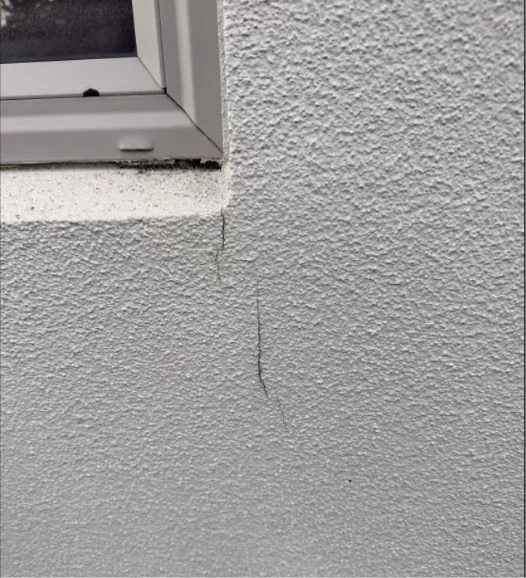
Additional visual examples
Supporting photos and diagrams for this defect topic. Actual site conditions may vary and should be assessed in context.
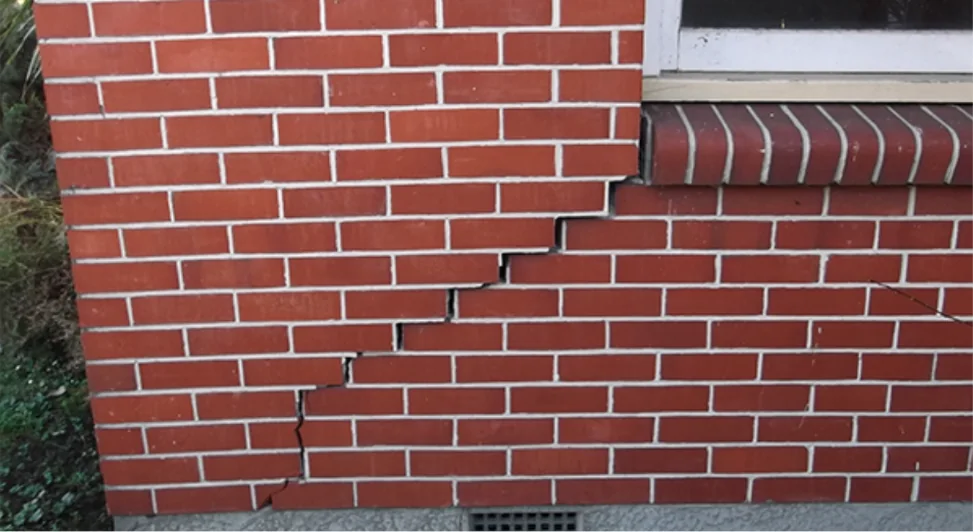
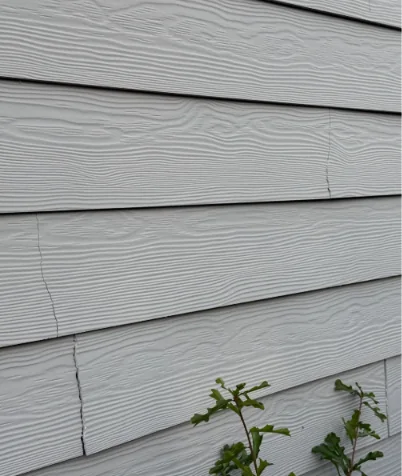
What this defect means
Cracks in exterior cladding refer to visible cracking in cladding materials, coatings, joints, corners, junctions or around openings such as windows and doors.
The cladding type matters. Cracks in plaster-style cladding, fibre cement, masonry, painted surfaces or jointed cladding systems may have different implications.
Why it may matter for buyers
For buyers, cracked cladding may matter because cracks can increase moisture risk, create possible water-entry paths at vulnerable areas, or indicate movement, poor maintenance or previous repair work.
Cracks near windows, doors, decks, flashings, pipes, cables, vents or other openings through the wall, and lower wall areas may require careful review.
Common visible signs
Common visible signs may include:
- Hairline or wider cracks in cladding
- Cracks around windows or doors
- Cracks at corners or joints
- Cracked coating or plaster finish
- Separation between different materials
- Staining below cracks
- Previous patch repairs
- Gaps at cladding junctions
- Cracking near decks, balconies or flashings
Possible causes
Possible causes may include:
- Normal movement over time
- Poor maintenance
- Impact damage
- Thermal expansion and contraction
- Inadequate control joints
- Poor previous repairs
- Moisture exposure
- Movement at framing or junctions
- Ageing coating systems
What a visual inspection can and cannot confirm
A visual, non-invasive inspection can identify visible cracks and other visible signs that may increase moisture risk in accessible exterior areas observed at the time of inspection.
It cannot confirm concealed framing condition, internal cavity moisture, the full cause of cracking or whether moisture has entered concealed spaces without further specialist assessment.
Recommended next steps
Where cracks in exterior cladding are visible, the recommended next step is to consider their size, location, pattern and relationship to other visible signs of moisture risk.
Minor cracks may require maintenance or sealing by a suitable tradesperson. More extensive or repeated cracking may require cladding specialist or moisture investigation specialist advice.
When further specialist advice may be appropriate
Further specialist assessment may be appropriate where:
- Cracks are wide, repeated or spreading
- Cracks are near windows, doors, pipes, cables, vents or other openings through the wall
- Moisture staining is visible nearby
- The cladding type is higher risk or complex
- Previous repairs appear temporary
- Internal moisture signs are present
- Likely repair work or repair extent is uncertain
A builder, cladding specialist, plaster cladding specialist or moisture investigation specialist may be appropriate.
Related defect links
These related guides can help you understand connected visible moisture-risk, drainage, cladding, flashing or wet-area issues.
Read related defect guide Missing or Defective Flashings
Read related defect guide Ceiling Water Stains
Read related defect guide
Visible cladding cracks are worth reviewing as part of the overall property condition.
A pre-purchase building inspection can help identify visible cladding defects and explain when further specialist assessment may be appropriate.
General education disclaimer
General information only. This resource does not replace a professional inspection or legal, financial, valuation, engineering or specialist advice where required.
FAQ
Are cracks in exterior cladding always serious?
No. Some cracks may be minor maintenance issues, while others may be visible signs that may increase moisture risk.
Can a visual inspection confirm whether water has entered behind cladding?
No. A visual inspection can identify visible signs, but concealed areas may require further specialist assessment.
Why are cracks near windows important?
Windows are moisture-sensitive junctions. Cracks near openings may increase moisture risk depending on the detailing.
Who should assess cracked cladding?
A builder, cladding specialist or moisture investigation specialist may be appropriate depending on the cladding type and defect pattern.