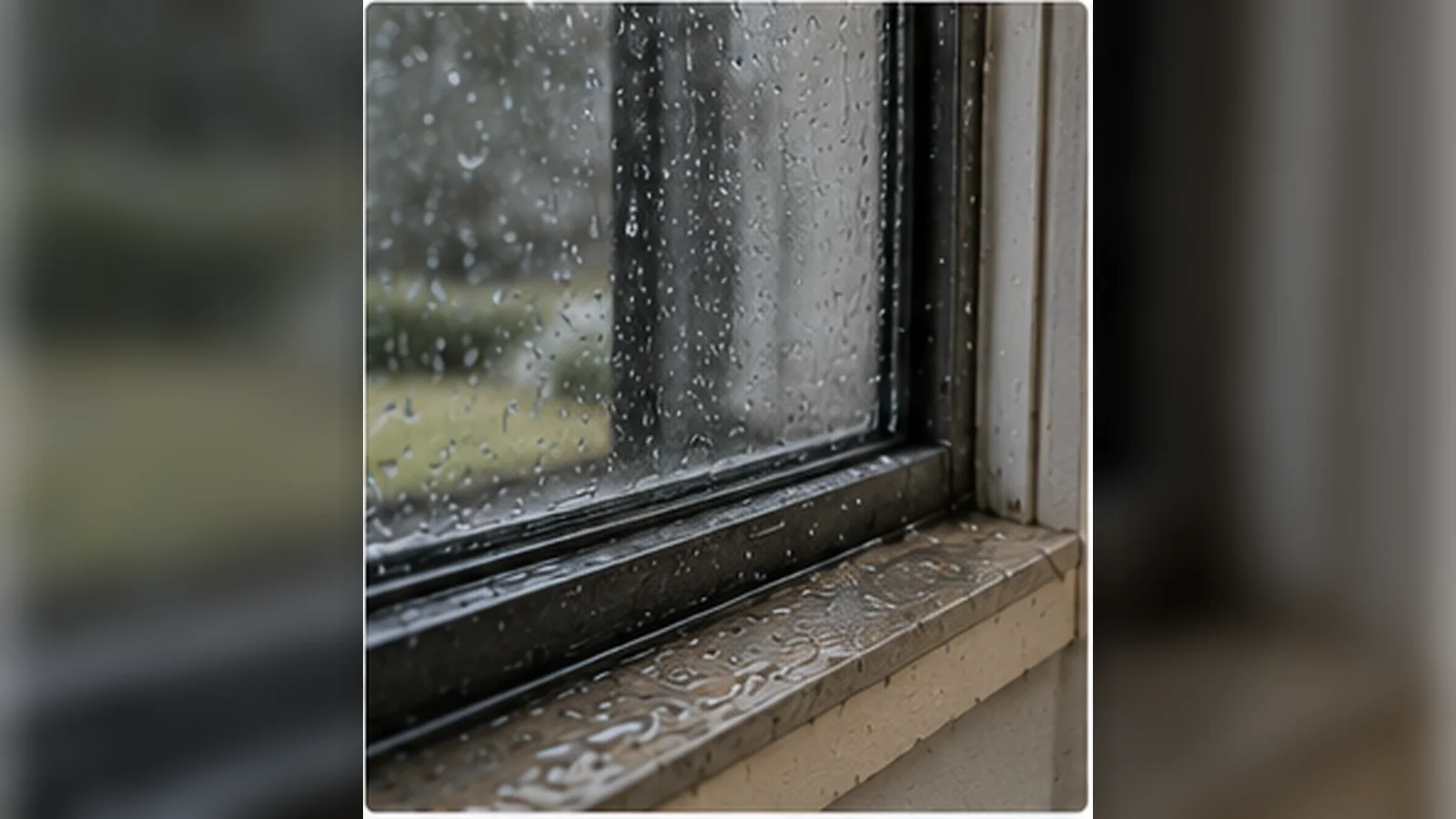
Why Weathertightness Risk Is Not Always Obvious is an important topic for Auckland buyers and sellers. Clear building knowledge helps buyers, sellers and property owners understand visible condition, report limitations and practical next steps before key property deadlines, maintenance planning or further professional advice.
What does this mean?
Weathertightness risk refers to building details or conditions that may allow water to enter, be trapped or fail to dry properly. It is not always visible as an obvious leak. Risk may be related to design, cladding junctions, penetrations, flashings, clearances, decks, windows or maintenance condition.
Why it matters for Auckland property buyers
Many Auckland homes look tidy from the street but still have details that increase moisture risk. Fresh paint, staging or renovation work may improve presentation without resolving underlying risk. A building inspection helps buyers look more closely at visible details and limitations.
Common situations where this comes up
- Cladding is close to ground or paving.
- Sealant around windows or penetrations is cracked or missing.
- Deck junctions connect to walls without clear drainage or flashing visibility.
- Roof or wall penetrations are poorly sealed.
- There is staining, swelling or paint failure near joinery.
Send us the property address or listing link and we can provide a building inspection quote.
What we may check during a building inspection
The inspection may check visible cladding, joinery, clearances, penetrations, roof edges, gutters, decks and moisture-risk indicators where accessible. It cannot confirm concealed cavities or framing condition without invasive weathertightness investigation.
Practical next steps
If weathertightness-risk details are observed, understand the limitation of a standard inspection and consider specialist advice, maintenance review or invasive investigation where the risk could affect due diligence discussions.
Related knowledge and services
These related pages may help you understand the topic in more detail or take the next practical step.
FAQ
Can a tidy house still have weathertightness risk?
Yes. Risk can come from details, junctions, clearances and concealed areas that are not obvious at an open home.
Does no visible leak mean no risk?
No. Some risks may not show obvious staining at the time of inspection.
Can a building inspection confirm a home is watertight?
A standard inspection can identify visible risk indicators but cannot confirm concealed moisture conditions or full weathertightness performance.
What details are commonly checked?
Visible cladding, joinery, flashings, penetrations, drainage, decks, gutters and moisture-risk areas where accessible.
When should I get specialist advice?
When visible risk indicators, elevated moisture readings or high-risk design features could materially affect due diligence discussions.
Cozy Building Compliance provides Auckland building inspections with practical, easy-to-understand reports for buyers, sellers, landlords and property managers.