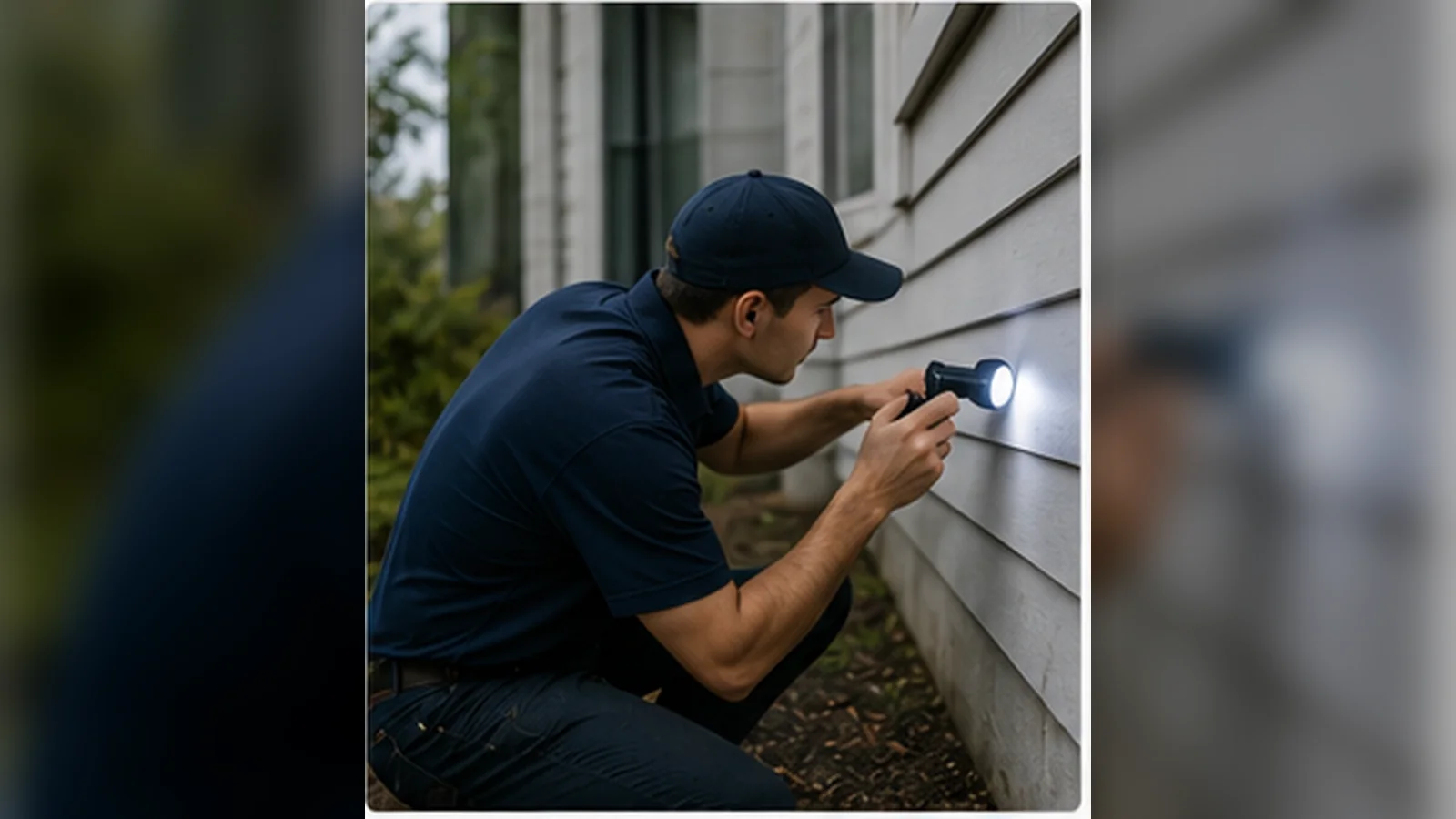
What Does a Pre-Purchase Building Inspection Actually Check? is an important topic for buyers and first-home buyers. Clear building knowledge helps buyers, sellers and property owners understand visible condition, report limitations and practical next steps before key property deadlines, maintenance planning or further professional advice.
What does this mean?
A pre-purchase building inspection is a visual, non-invasive review of the accessible parts of a property before purchase. It is intended to help buyers understand visible condition, maintenance concerns, safety observations, moisture-risk indicators and areas where further investigation may be appropriate.
Why it matters for Auckland property buyers
Auckland homes vary widely in age, construction type, cladding, site slope, drainage and maintenance history. A property can be well-presented at an open home but still have visible risk indicators in areas buyers do not normally examine closely, such as roof edges, subfloors, wet areas, joinery, exterior cladding and drainage zones.
Common situations where this comes up
- Buying before auction or before a deadline sale.
- Reviewing a property after an offer has been accepted.
- Comparing repair risk between two homes.
- Checking a rental investment before settlement.
Send us the property address or listing link and we can provide a building inspection quote.
What we may check during a building inspection
The inspection may include visible exterior cladding, joinery, roof edges where safely accessible, gutters, downpipes, decks, stairs, interiors, wet areas, moisture-risk readings in selected areas, roof space and subfloor where safe and reasonably accessible. The exact scope depends on access, safety and the inspection agreement.
Practical next steps
Send the property address and listing link early so the inspection can be scoped correctly. After the report, focus on significant defects, access limitations, moisture-risk items and recommendations for further specialist advice if required.
Related knowledge and services
These related pages may help you understand the topic in more detail or take the next practical step.
FAQ
Does a pre-purchase inspection check every part of the house?
No. It is visual and non-invasive. Hidden areas, inaccessible spaces and specialist systems may require separate assessment.
Are roofs always inspected closely?
Only where safe and reasonable access is available. Height, pitch, weather, fragile materials or safety risk may limit roof inspection.
Are moisture readings included?
Selected moisture readings may be taken in risk areas, but they do not confirm concealed framing condition without invasive investigation.
Does the report include photos?
Yes, a clear inspection report should include photos, observations, limitations and practical recommendations.
Should I inspect before auction?
Often yes. Auction purchases can become unconditional, so buyers should understand visible risk before bidding where possible.
Cozy Building Compliance provides Auckland building inspections with practical, easy-to-understand reports for buyers, sellers, landlords and property managers.