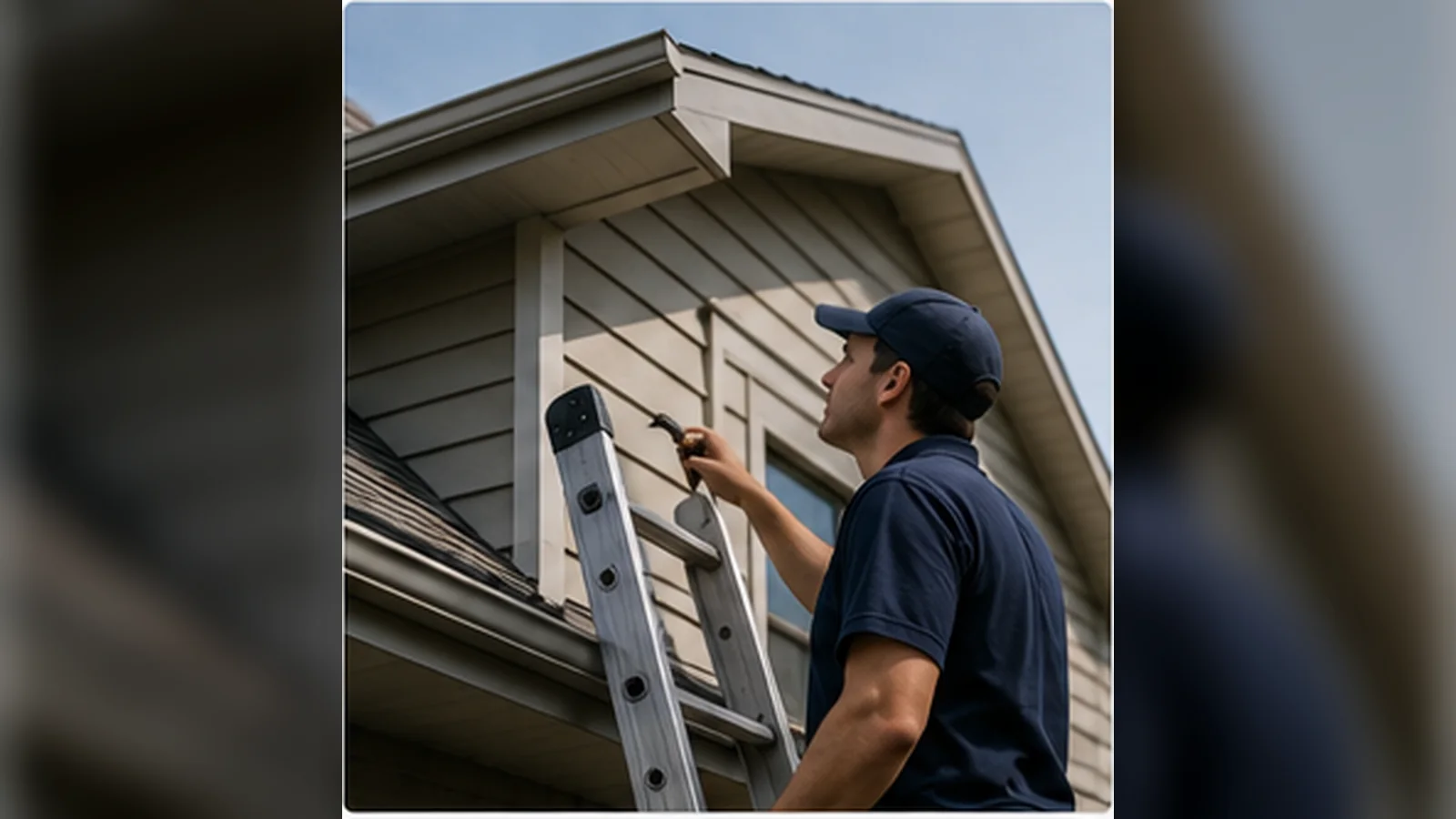
What Does “Visual Non-Invasive Inspection” Mean? is an important topic for buyers, sellers and landlords. Clear building knowledge helps buyers, sellers and property owners understand visible condition, report limitations and practical next steps before key property deadlines, maintenance planning or further professional advice.
What does this mean?
A visual non-invasive inspection means the inspector checks accessible visible areas without opening walls, lifting fixed materials, moving heavy stored items, cutting holes or dismantling building elements. It is designed to identify visible defects and risk indicators without damaging the property.
Why it matters for Auckland property buyers
This matters because buyers sometimes expect an inspection to confirm everything behind the walls, under finishes or inside framing. A standard inspection cannot do that. It can identify visible clues that may indicate risk, but concealed conditions require further investigation or specialist assessment.
Common situations where this comes up
- Stored items block access to a garage, subfloor or roof space.
- Insulation covers ceiling framing or electrical components.
- A wall shows moisture staining but the internal framing is concealed.
- A roof is too high, steep or unsafe to access closely.
Send us the property address or listing link and we can provide a building inspection quote.
What we may check during a building inspection
The inspector checks what can be safely and reasonably seen at the time of inspection. This may include exterior elements, interior surfaces, accessible roof space and subfloor areas, wet areas, moisture-risk zones and visible signs of movement, deterioration or poor maintenance.
Practical next steps
Treat access limitations seriously. If the report identifies a risk area but cannot confirm the concealed condition, further investigation may be recommended before purchase, especially for moisture, structural or weathertightness concerns.
Related knowledge and services
These related pages may help you understand the topic in more detail or take the next practical step.
FAQ
Does non-invasive mean the inspection is basic?
No. It means the inspection is careful but does not damage or dismantle the property.
Can furniture or storage limit inspection?
Yes. Areas blocked by stored items, furniture, locked rooms or unsafe access may not be fully inspected.
Can the inspector drill into walls?
Not as part of a standard visual non-invasive inspection unless a separate invasive investigation is specifically arranged.
Why are limitations written in the report?
They explain what could and could not be checked, helping buyers understand the remaining uncertainty.
Should I request further inspection if access was limited?
Where the limitation affects an important risk area, further access or specialist assessment may be sensible.
Cozy Building Compliance provides Auckland building inspections with practical, easy-to-understand reports for buyers, sellers, landlords and property managers.